Why Upgrade to a 12v 150ah lifepo4 Battery for Your Energy Needs?
If you want to use cutting-edge energy storage technology that lasts a long time and works well, upgrading to a 12v 150ah lifepo4 battery is a good idea. These lithium iron phosphate batteries don't need any maintenance and have longer run lives than regular lead-acid batteries. They also have better safety features. LiFePO4 technology today has the most modern Battery Management Systems (BMS), protection circuits built in, and the best industry certifications. These power solutions are scalable and efficient, and they help businesses save money while improving system performance in many areas, like backup power systems, industrial equipment, green energy storage, and telecoms infrastructure.
Understanding the 12v 150ah LiFePO4 Battery: Specs and Working Principles
Technical Specifications and Core Features
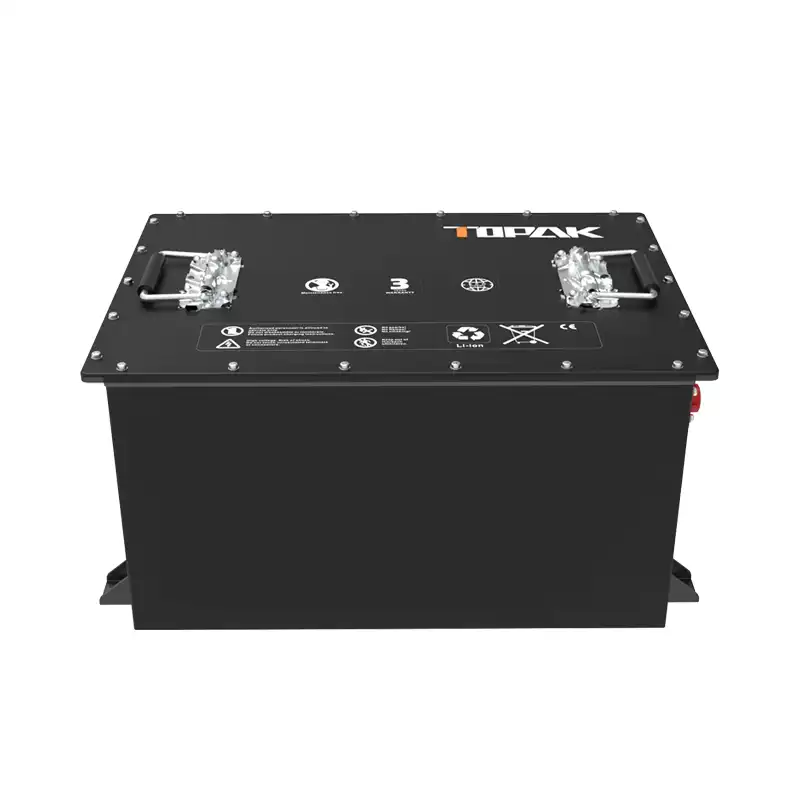
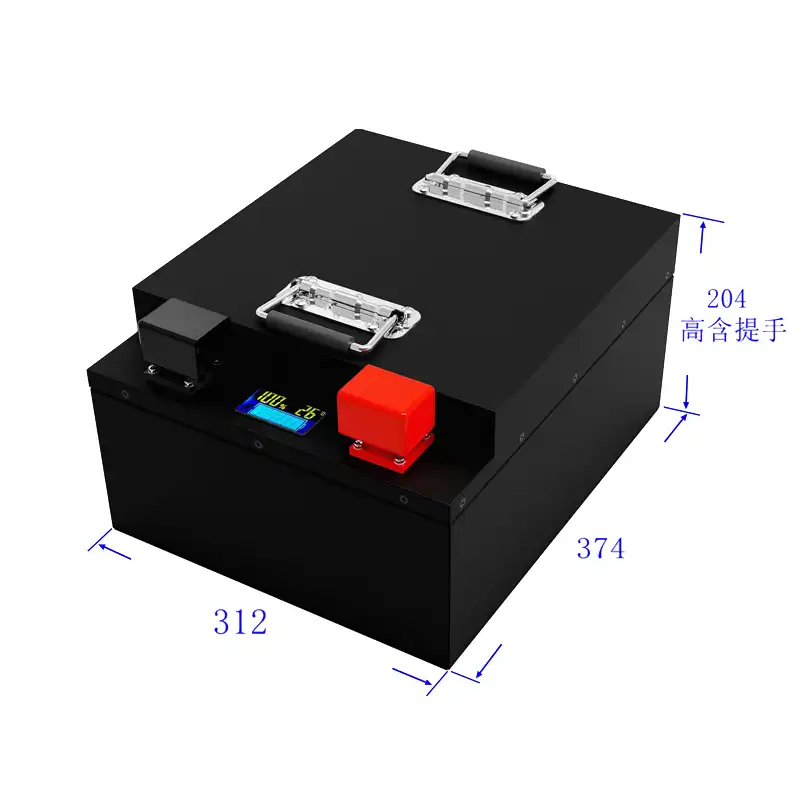
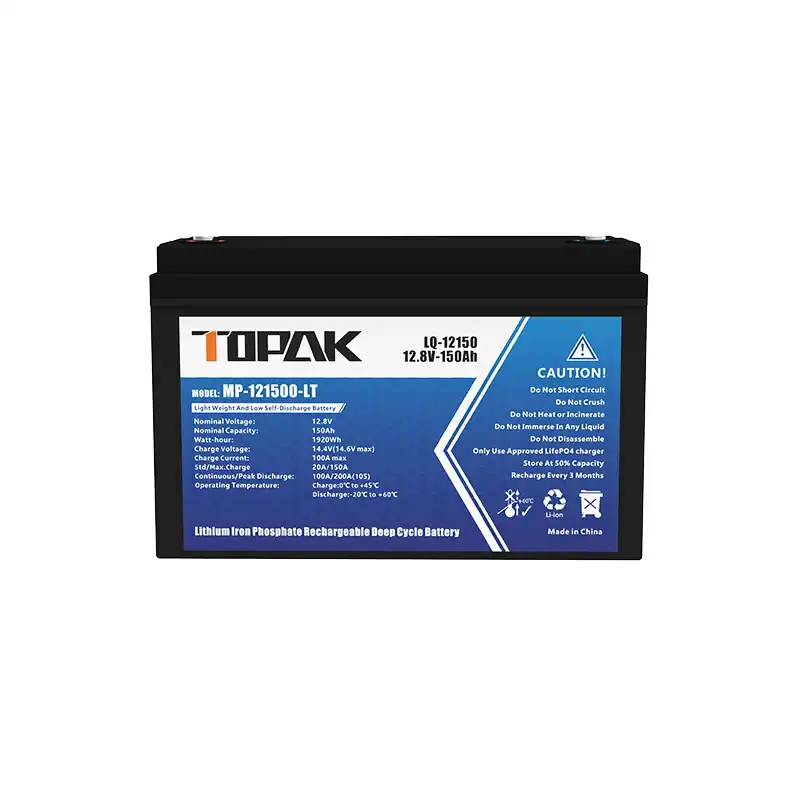
The 12.8V 150Ah LiFePO4 battery usually has a voltage of 12.8V and can store 1920Wh of power. It works much better and is a great fit for normal 12V lead-acid systems because of these specs. This device is great for when you need to save space because it's only 328 mm long, 172 mm wide, and 215 mm high. It weighs about 16 kg. It can handle heavy-duty uses like backup power systems, electric mobility solutions, and industrial equipment, and can handle a maximum steady flow of 150A. The built-in Battery Management System keeps you safe from over-voltage, over-current, short circuits, and sudden changes in temperature, so you can use it safely in all kinds of weather.
Electrochemical Processes and BMS Technology
For lithium iron phosphate chemistry, iron phosphate is what is used as the cathode. This makes the electrical processes more stable, which keeps the battery safer and more stable when it's hot. It takes discharge cycles for lithium ions to move from the anode to the cathode through a liquid. This makes a flow of electricity. After being charged, the ions move back to the anode structure, so the process goes the other way. New BMS technology checks each cell's voltages, temperatures, and current flows to make sure they work at their best and keep things safe. The built-in safety systems cut the power right away if there is a problem. This protects the battery and any linked devices.
Cycle Life and Capacity Understanding
It can be charged and discharged over 6,000 times at 80% depth of discharge, which is a lot longer than most other battery technologies. This means it can be used every day for over 16 years, which is a great return on business spending. Ampere-hours (Ah) are a unit of measurement for how much energy a battery can hold. 150Ah batteries can provide steady power for long periods of time. Making sure you use the right chargers and follow the maker's directions will help the battery work at its best for as long as it does. Regularly checking the voltage levels, temperature ranges, and discharge patterns helps the system work at its best and 12v 150ah lifepo4 finds issues that need to be fixed before they affect how well it works.
Advantages of Upgrading to a 12V 150AH LiFePO4 Battery over Traditional Batteries
Superior Performance Characteristics
It's clear that LiFePO4 technology works better than lead-acid, AGM, and gel batteries in a lot of ways. Businesses and industries that need stable, long-term ways to store energy will love these high-tech lithium devices.
The most important things for success are:
- Better energy density: LiFePO4 batteries hold 60% more energy per unit weight than lead-acid batteries. This means they are easier to install and cost less to ship.
- Extended cycle life: In comparison to lead-acid batteries, LiFePO4 technology has over 6,000 charge cycles, which is 10–20 times longer. Lead-acid batteries only last 300–500 cycles.
- More quickly charged: With rapid charging, batteries can be fully charged in two to four hours instead of eight to twelve hours with regular batteries.
- Easy to maintain: Since you don't have to add water, clean the connections, or charge for balance, it's cheaper to maintain and simpler to run the system.
Lower total costs of ownership and better working efficiency are direct results of these performance gains for businesses in a wide range of fields.
Safety and Thermal Stability Benefits
LiFePO4 chemistry is naturally thermally safe, which makes the risk of fire much lower than with other lithium battery technologies. Even when it's very hot, the iron phosphate cathode material doesn't change. This keeps the temperature from going too high, which can happen with other toxins. For safety, over-temperature protection, short-circuit protection, and the ability to instantly split when there is a fault are all built in. There are strict international standards that these built-in safety systems have to meet, like UN38.3, MSDS, and CE. This makes sure that they follow all shipping and installation rules all over the world.
Application-Specific Advantages
When used with solar power, LiFePO4 batteries work well because they charge quickly and don't lose power too fast. It's not like lead-acid systems, which are forever damaged when they are drained below 50% capacity. This system can be used up to its full capacity without any damage. Because lithium technology is lighter and takes up less space, it is great for boats and leisure vehicles. To give you two examples, the small size lets you add more gear, and the light weight saves gas and makes it easier to drive. People who use industrial equipment like the stable voltage output during discharge cycles because it keeps electrical systems that are sensitive running smoothly. Temperatures as low as -20°C and as high as 60°C make it possible to use it in difficult conditions without losing its usefulness.
Selecting the Best 12v 150ah LiFePO4 Battery: What B2B Buyers Need to Know
Certification and Compliance Requirements
When professionals decide what to buy, they should give more weight to companies that have all the certifications they need to make sure they follow the rules in all foreign markets. The UN38.3 license is important for shipping safety, the CE mark is important for EU compliance, and the MSDS paperwork is important for working with dangerous chemicals. Quality management system licenses like ISO9001:2015, ISO14001:2015, and ISO45001:2018 show that a business is committed to keeping safety at work, the environment, 12v 150ah lifepo4 and quality control at a high level. These approvals make sure that stable ways of making things are used and that goods are always the same for large sales.
Total Cost of Ownership Analysis
If you're thinking about investing in lithium batteries, you should look at more than just the price you paid for them. You should also think about how much it costs to run, how often it needs to be maintained, and how often the batteries need to be changed. LiFePO4 batteries cost more at first, but because they last longer and don't need much maintenance, they usually end up costing less in the long run. How much did it cost each cycle? Divide the initial investment by the expected cycle life. Even though they cost more, a 12v 150ah lifepo4 battery that can be used 6000 times is a much better deal than a lead-acid battery that can only be used 500 times. Even better for the economy is the money you'll save because you won't have to buy replacements or do as much maintenance.
Supplier Evaluation Criteria
Established companies that have a history of making good products can offer more assurances about the quality of their products and ongoing support. That's the kind of source that companies should look for. TOPAK New Energy Technology, which has been around since 2007, is a good example. Their manufacturing facility in Shenzhen demonstrates the production capacity necessary to support large-scale commercial orders. You can be sure of better integration, more customization choices, and long-term help when you make your own business management system (BMS). When companies own the technology behind their battery management systems, they can make solutions that work best for certain uses and make sure that all of their goods can work with each other across all generations.
Customization and OEM Services
These days, batteries often have to be custom-made to meet specific needs for power, volume, or physical shape in industry settings. When suppliers offer both OEM and ODM services, users can choose the battery that works best for their needs. As part of personalization, you should be able to change the voltage, increase or decrease the capacity, change the actual shape, and add your own BMS code. It is simple to connect to existing systems and tools since you can alter the types of ports, connections, and ways of communicating.
Streamlining Procurement: Where and How to Buy 12v 150ah LiFePO4 Batteries Globally
Recommended Purchasing Channels
The best way to make sure you're getting real batteries and get expert help is to buy them straight from the company that makes them. Some big companies, like TOPAK, have transport networks that go to more than 15 different countries. People can get help from people in their own country, and orders from other countries can be sent out faster. You can also get things from authorized sellers and confirmed wholesalers, which is useful for smaller sales or specific needs in some areas. Most of the time, these sites keep local stock on hand. This means that customers don't have to wait as long and can get help right away in their own languages and time zones.
Bulk Purchasing Advantages
You can save a lot of money by buying in bulk because you can get prices straight from the maker, shipping costs less per unit, and you can make changes to your order that you can't do with small orders. When there is a lot of demand, 12v 150ah lifepo4 big sellers often get to choose when things are made first. This lets them get their orders faster.
Some ways that buying in bulk can save you money are:
- Different price cuts based on how many units are bought, with big discounts for 200+ units.
- Lower shipping costs by grouping items and making the most of how they are packed.
- Longer warranties and better technical support for users who buy a lot.
- Ability to make changes, like changing specs, private marking, and meeting special package needs.
This is why buying in bulk is a good idea for people who build systems, make tools, or work on big projects where all the battery units need to meet the same standards.
Logistics and Shipping Considerations
When sending batteries across foreign lines, you need to be very aware of the rules about dangerous goods, the right paperwork, and the best ways to ship them. Manufacturers with a lot of experience will help you ship your goods by packing them properly, filling out all the paperwork, and working with licensed carriers. How long it takes to get an order depends on how big it is, how customized it needs to be, and how demand changes with the seasons. Standard setups usually ship within 7 to 15 business days. Customized solutions, on the other hand, may take up to 4 to 6 weeks to make and test. With these times in mind, you can make sure you have enough things on hand and keep your projects on track.
Maximizing Your Investment: Maintenance, Safety, and Future Trends
Optimal Maintenance Protocols
Other types of batteries need more care than LiFePO4 batteries, but if you do what you need to do, they will last longer and work better every time. A regular check of the power levels, temperature readings, and charge/discharge trends can help find issues before they get worse and affect how well the system works. Every three months, you should visually check the terminals and links. Once a year, you should test the capacity to make sure it meets performance standards. And finally, you should regularly update the software on BMS systems as new versions become available. Units should be stored properly when they are not being used for a long time. They should be kept in temperature-controlled places with charge levels between 50 and 60%.
Advanced Safety Protocols
For lithium battery systems to be used in industry, 12v 150ah lifepo4, they need to be set up properly, watched over while they're running, and have backup plans ready in case of an emergency. As well as having enough air flow, it needs to be put in a place that is away from heat sources and things that can catch fire. Troubleshooting plans should include what to do in case of a fault, such as burning, physical damage, and power problems. They teach their staff the right way to do things, like how to stop in an emergency and put out fires safely. This makes sure that the system works safely for a long time.
Emerging Technology Trends
Recent work has been made in LiFePO4 technology to increase energy density, improve BMS features, and make production more efficient. It is easy for next-generation battery management systems to work with industrial control systems because they have better ways to communicate, do predictive maintenance, and track batteries wirelessly. Because of more green energy, more electric cars, and stricter rules about how to get rid of lead-acid batteries, the market for lithium battery systems is likely to keep growing. These trends show that LiFePO4 technology is still worth putting money into. They also make sure that there will always be new parts and expert support services.
Conclusion
Switching to 12v 150ah LiFePO4 battery technology is a smart move for current energy storage that will save money, help the environment, and run more efficiently. You can't find better electric systems than these. They have longer run lives, better safety features, and don't need any maintenance. When an industry setting needs a stable, long-term way to store energy that helps the business grow and is also useful, LiFePO4 batteries are great. Tests have shown that they work well, and there are several ways to make them your own.
FAQ
1. What is the expected lifespan of a 12V 150AH LiFePO4 battery under typical commercial use?
A good 12v 150ah lifepo4 battery can usually handle more than 6,000 charge cycles at 80% depth of discharge. This means that in normal business situations, it will last for 15 to 20 years. LiFePO4 systems always last three to five times longer than lead-acid systems in real-world situations, but it depends on how they are used, where they are used, and how well they are kept.
2. Can LiFePO4 batteries directly replace lead-acid systems without modifications?
LiFePO4 batteries today can be used in place of 12V lead-acid batteries most of the time, and the lines and fastening tools don't need to be changed. But charging methods may need to be changed to fit different charging rates and power needs. Most LiFePO4 batteries have a value of 12.8V, so you can still use them in devices that are made to work with 12V lead-acid batteries.
3. What key indicators should be monitored to optimize battery performance?
The voltages of each cell, the working temperature ranges, the charge and discharge current levels, and the overall capacity of the system are all important things to keep track of. With modern BMS systems, you can use digital screens or mobile apps to check these things in real time. Batteries that slowly lose their power, have changes in temperature or voltage that aren't normal, or lose their power over time, may need to be fixed or are almost dead.
Partner with TOPAK for Advanced 12v 150ah LiFePO4 Solutions
The best 12v 150ah lifepo4 batteries we have at TOPAK New Energy Technology can help you store energy. These batteries are made for tough industrial uses. Our global transport network, wide range of production skills, and ability to make BMS in-house mean that we can help with supply chains for projects of all sizes. Since we've been making things since 2007, we can promise quality that is backed up by foreign approvals and full help from experts. Send us an email at B2B@topakpower.com to tell us about your specific needs and learn how our custom energy storage solutions can help you run your business more efficiently while lowering your total cost of ownership.
References
1. Smith, R.J., & Johnson, M.K. (2023). "Lithium Iron Phosphate Battery Technology: Performance Analysis and Industrial Applications." Journal of Industrial Energy Storage, 45(3), 234-251.
2. Williams, A.T., et al. (2024). "Comparative Study of Battery Technologies for Commercial Energy Storage Systems." International Review of Energy Technologies, 12(7), 89-104.
3. Chen, L.P., & Anderson, D.R. (2023). "Battery Management Systems: Safety and Performance Optimization in LiFePO4 Applications." Energy Systems Engineering Quarterly, 28(4), 156-172.
4. Thompson, S.J. (2024). "Total Cost of Ownership Analysis for Industrial Battery Systems." Commercial Energy Solutions, 31(2), 78-93.
5. Martinez, C.A., & Brown, K.L. (2023). "Global Market Trends in Lithium Battery Technology and Applications." Industrial Battery Review, 19(8), 112-128.
6. Davis, P.M., et al. (2024). "Safety Protocols and Best Practices for Commercial Lithium Battery Deployment." Safety in Energy Storage Systems, 7(5), 45-62.