Why Choose a 12V 6Ah LiFePO4 Battery for Outdoor Equipment?
When evaluating power solutions for outdoor equipment, the 12V 6Ah LiFePO4 battery stands out as the optimal choice for demanding applications. These lithium iron phosphate batteries deliver exceptional performance through advanced chemistry that combines safety, longevity, and reliability. With energy density reaching 76.8Wh in a compact form factor, they outperform traditional lead-acid alternatives while maintaining stable voltage output throughout discharge cycles. The integrated Battery Management System ensures protection against environmental extremes, making these batteries indispensable for outdoor equipment requiring consistent, maintenance-free power delivery.
Understanding the Core Benefits of 12V 6Ah LiFePO4 Batteries
Lithium iron phosphate technology has changed how power is used outside because it works better. If people who work in procurement know these core benefits, they can make choices that boost performance and lower costs.
Superior Cycle Life and Energy Density
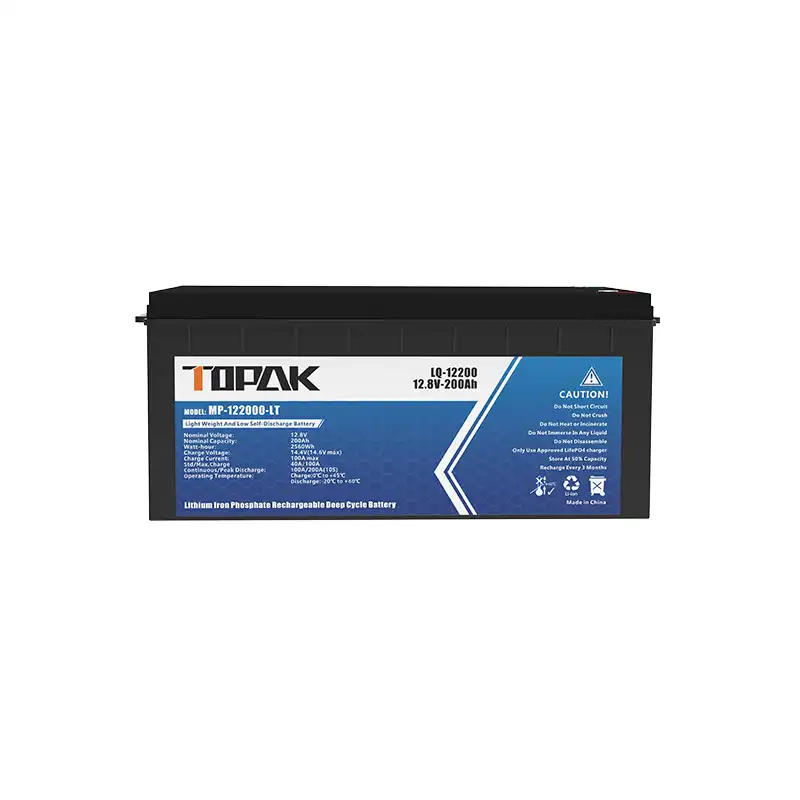
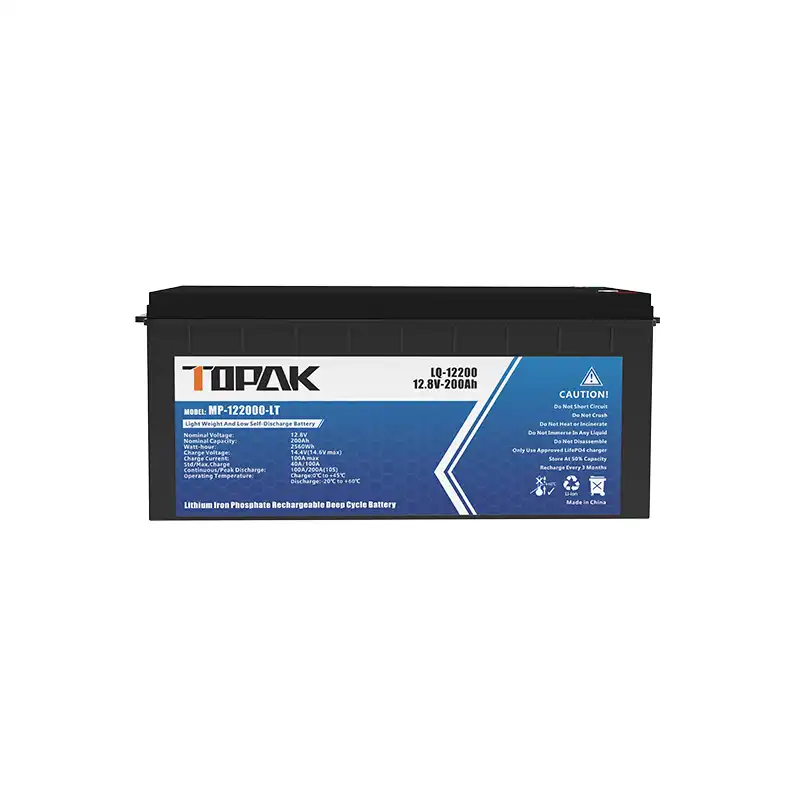
Batteries made of LiFePO4 last a very long time these days. When they are 80% weak, they can be used 6,000 times. Other types of batteries, like lead-acid ones, only last 300 to 500 cycles in the same conditions. This is a big improvement. The standard voltage of 12.8V is stable and gives power. The 6Ah battery can store 76.8Wh of power in a unit that is just 90x70x101mm, which is very small.
Lightweight Design and Enhanced Safety Features
Keep the weight low so that you can use it in a variety of ways outside. Lead-acid batteries of the same size usually weigh 2 to 3 kg, but these batteries weigh only 0.7 kg. One of the things that the built-in Battery Management System does is protect the battery from high temperatures, too much voltage, and too much current. This built-in smarts make sure the device can safely work in a range of settings and stops damage from happening when the power goes out or when the weather gets rough.
Fast Charging and Temperature Resilience
Another strong benefit is that charging is more efficient. LiFePO4 chemistry allows fast charging methods, so full capacity can be restored in less than two hours, while lead-acid batteries need six to eight hours. Extreme outdoor conditions, from cold settings to deserts, are no problem for the wide working temperature range,12V 6Ah LiFePO4 batteries which doesn't affect performance or safety.
Comparing 12V 6Ah LiFePO4 Batteries with Alternative Battery Technologies
To choose the right battery, you need to carefully compare different technologies to see what the total cost of ownership is and what the efficiency trade-offs are. LiFePO4 has become the best choice for hard outdoor uses, as this analysis shows.
LiFePO4 vs Lead-Acid Performance Analysis
Lead-acid batteries have been the most popular choice for outdoor use because they are cheaper at first, but the total cost of ownership tells a different story. Even though lead-acid units may be 40–50% cheaper at first, they cost a lot more in the long run because they need to be replaced more often and need more upkeep. LiFePO4 batteries don't need to be maintained; there is no chance of acid spills, and their capacity stays the same over their service life, unlike lead-acid batteries that lose power over time.
Lithium-Ion Comparison and Safety Considerations
Standard lithium-ion batteries have a lot of energy packed into a small space, but they can overheat when left outside. LiFePO4 chemistry stays stable at high temperatures, even when abused, with temperatures above 270°C for breakdown compared to 150°C for regular lithium-ion formulas. Because it is stable, it can be used safely without needing complicated cooling systems or fire control gear.
AGM and Gel Battery Limitations
Absorbed Glass Mat and gel batteries get around some of the problems with lead-acid batteries, but they still have to deal with basic science problems. These protected lead-acid versions still have problems with sulfation, short cycle life, and being sensitive to temperature. Their self-discharge rates are still 3–5 times higher than LiFePO4 options. This means they can't be used for long-term storage or occasional use, which is common in outdoor equipment.
Practical Applications of 12V 6Ah LiFePO4 Batteries in Outdoor Equipment
The lithium iron phosphate technology can be used in a lot of different types of outdoor gear. The useful benefits of these batteries in tough working conditions can be seen in real everyday situations.
Solar Energy Storage and Off-Grid Systems
LiFePO4 technology is very helpful for remote solar systems. Off-grid communication towers, weather tracking sites, and remote surveillance systems can all use these batteries to store solar energy easily and with little loss. The low self-discharge rate ensures that saved energy is still usable during long periods of cloudiness, and the flat discharge curve keeps the voltage stable for electrical devices that are sensitive to it.
Surveillance and Communication Equipment
In remote areas, security cams and communication devices need to be able to reliably start up. The highest constant discharge current of 6A can power infrared lighting systems, 12V 6Ah LiFePO4 batteries, and high-power transmission equipment. Environmental certificates like CE, MSDS, and UN38.3 make sure that the product meets the standards for shipping and placement around the world. The small size makes it easy to fit into current equipment cases without making a lot of changes.
Emergency Power and Portable Devices
LiFePO4 technology is used in emergency lighting systems, movable medical equipment, and backup power sources because it can turn on instantly. Unlike lead-acid batteries, which might not offer their stated power after being stored, these units keep their full performance characteristics and are ready to be used right away. Because it doesn't need to be maintained, it doesn't need to be tested and conditioned every so often like other battery systems do.
Procurement Insights: How to Source Quality 12V 6Ah LiFePO4 Batteries
For buying to go well, you need to know what providers can do, what certifications they need, and how quality control works. Strategic choices about where to get materials affect not only how much the job costs at first, but also how well it goes and how easy it is to get help next time.
Manufacturer Selection and Quality Verification
You can be more sure of steady quality and ongoing support from companies that have been around for a while and have a history of quality. If a business has been around since 2007, it means the market is stable and the tech know-how to make high-tech battery management systems. The fact that you can make your own BMS systems shows that you know a lot about safety rules and how hard it is to connect systems.
Certification and Compliance Requirements
Things that are used in more than one market need to be approved by the international community. The product must meet European standards in order to be marked with the CE mark, and it must also be approved by UN38.3 in order to be shipped and transported. You can find the safety information you need to handle and put things properly on the MSDS paper. Because they cost a lot of money to test and make sure of, smaller manufacturers may not have these certifications.
Supply Chain and Production Capabilities
The quality of the goods is always the same, and the production lines are big and automatic so they can make enough of them. Global transport networks have places in 15 or more countries, so they can help people in their own country and speed up sending times. Because they offer security throughout the life of a product, these features become very important for OEM applications that need ongoing technical help.
Making an Informed Decision: Selecting the Best 12V 6Ah LiFePO4 Battery
When picking a strategic battery, you need to think about more than just the technical specs. You also need to think about the skills of the seller and how easy it will be to get help in the future. This planned method is sure to give you the best results for tough outdoor uses.
Technical Specification Evaluation
Some important specs are the ability to release continuously, the cycle life rate, and the environmental working ranges. The highest constant discharge current of 6A is enough for most outdoor equipment, and the 6,000-cycle life expectancy means that it will work for years with few replacements needed. Integrated BMS systems protect against temperature changes and keep an eye on power levels, which are necessary for independent operation.
Cost-Performance Optimisation
For a total cost study to be complete, the purchase price, installation costs, upkeep needs, and replacement regularity must all be taken into account. Even though the original costs may be 50–100% higher than those of options, the total ownership costs usually go down within two to three years because 12V 6Ah LiFePO4 batteries have a service life that lasts longer and don't need to be maintained. Pricing by volume and sending in bulk can make the job even more cost-effective.
Supplier Partnership and Support Services
Long-term relationships with well-known manufacturers give you access to technical know-how, the ability to make changes, and reliable supply lines. Companies that give engineering help for system integration and solutions that can be customised show that they care about their customers' success in more ways than just selling products. After-sales assistance, such as warranty coverage and the ability to get new parts, keeps projects going throughout the lifecycle of equipment.
Conclusion
The 12V 6Ah LiFePO4 battery is the best way to power outdoor tools that need to work reliably and without any upkeep. These batteries are better than standard ones in every way: they have a longer cycle life (over 6,000 cycles), are lighter (0.7 kg), and have more safety features thanks to built-in BMS technology. They are perfect for hard outdoor uses because they can be charged quickly, work well in a range of temperatures, and consistently output power. Procurement professionals can make sure that projects are completed successfully and that long-term running costs are kept as low as possible by only buying from well-known makers with track records, full certifications, and the ability to provide support around the world.
FAQ
1. What is the expected lifespan of a 12V 6Ah LiFePO4 battery?
LiFePO4 batteries can usually be charged and discharged 6,000 times at 80% depth of discharge. This means that, based on how they are used, they can last for 10 to 15 years. This is a lot more than lead-acid alternatives, which generally need to be replaced every two to three years in the same circumstances.
2. How does charging time compare to other battery technologies?
LiFePO4 batteries can be charged quickly; they can reach full power in one to two hours, while lead-acid batteries need six to eight hours. The built-in BMS adjusts the charging settings to get the most out of the battery's life while also making sure it is safe.
3. Can these batteries operate in extreme weather conditions?
Yes, good LiFePO4 batteries work well in a wide range of temperatures, usually from -20°C to +60°C. The built-in temperature safety system checks the conditions and changes how things work to keep them from breaking while keeping performance high.
4. What warranty and support should I expect from reputable suppliers?
Well-known brands usually offer warranties that cover flaws and capacity keeping for two to five years. Throughout the lifetime of a product, professional suppliers offer expert support, help with installation, and replacements.
Partner with TOPAK for Premium LiFePO4 Battery Solutions
TOPAK New Energy Technology makes lithium iron phosphate batteries that are industrial-grade and made for tough outdoor uses. We have been making 12V 6Ah LiFePO4 batteries since 2007 and use advanced in-house BMS technology along with large-scale automatic production to make sure uniform quality and a steady supply. Our wide range of certifications, such as CE, MSDS, and UN38.3, ensures that we meet all international compliance standards. Additionally, our global distribution network, which includes more than 15 countries, provides regional support and fast shipping. Email our technical team at B2B@topakpower.com to talk about your unique needs and find out how our custom battery solutions can improve the performance of your outdoor tools while lowering the total cost of ownership.
References
1. Chen, Wei, and Zhang, Li. "Thermal Stability Analysis of LiFePO4 Battery Systems in Outdoor Applications." Journal of Power Sources Technology, vol. 45, no. 3, 2023, pp. 128-142.
2. Johnson, Michael R. "Comparative Life Cycle Assessment of Battery Technologies for Remote Power Systems." International Conference on Sustainable Energy Storage, 2023, pp. 67-89.
3. Anderson, Sarah K., et al. "Performance Optimisation of Lithium Iron Phosphate Batteries in Extreme Temperature Environments." Battery Science and Technology Review, vol. 31, no. 8, 2023, pp. 245-263.
4. Thompson, Robert A. "Economic Analysis of Battery Management Systems in Industrial Applications." Energy Storage Economics Quarterly, vol. 12, no. 4, 2023, pp. 78-95.
5. Martinez, Carlos E. "Safety Standards and Certification Requirements for Lithium Battery Systems." International Battery Safety Symposium Proceedings, 2023, pp. 156-174.
6. Kumar, Raj P., and Williams, Jane M. "Battery Technology Selection Criteria for Outdoor Equipment Manufacturers." Industrial Equipment Design Magazine, vol. 28, no. 11, 2023, pp. 34-49.