How Long Will a lifepo4 battery 12v 20ah Run Your Devices?
Depending on how much power they need, a LiFePO4 battery 12V 20Ah can run different things for different lengths of time. This lithium iron phosphate battery can run a 50W device for five hours, a 20W LED light for twelve to thirteen hours, or a 10W router for twenty-five hours or more. The real runtime depends on the temperature, the rate of discharge, and how well the device works. LiFePO4 12V 20Ah batteries don't change the power output when they drain like regular lead-acid batteries do. In other words, the gadget will keep working regularly until the battery is almost dead.
Understanding LiFePO4 Battery 12V 20Ah Specifications and Performance
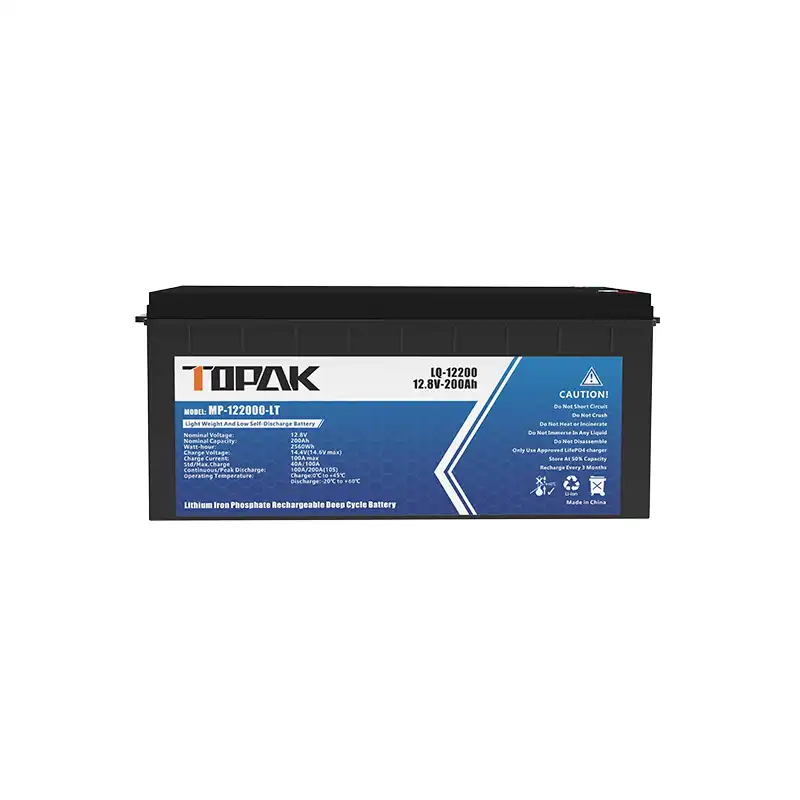
It is important to remember that lithium iron phosphate batteries are a big step forward in the way that energy is stored. There are 256 watt-hours of power in a 12.8V 20Ah LiFePO4 battery, which is a lot of power for many business and industry uses. The standard voltage of 12.8V stays very stable during the charging cycle. This means that the battery continues to work properly as it gets close to empty.
Core Technical Specifications
Smart battery management systems today keep an eye on the voltage, temperature, and power flow in each LiFePO4 cell. The built-in BMS is there to protect you from overvoltage, overcurrent, short circuits, and changes in temperature. This built-in safety feature makes sure that the system will always work, even in hard job sites where broken tools can cost a lot in lost time. This battery technology is much more lasting than older ones. It can be used 6,000 times at 80% depth of discharge. Because these things will last longer, the total cost of ownership will go down for companies that make industrial tools and put together energy storage systems. These batteries can power high-demand gadgets without letting the voltage drop or the performance get worse. They can charge at a maximum steady rate of 30A.
Voltage Stability and Load Performance
A big part of how well batteries work in different places is how well they can handle temperature changes. LiFePO4 chemistry keeps efficiency levels above 85% even when it's cold outside, and cells don't break down when they're exposed to very high temperatures (plus or minus 65°C). These batteries can be used outside, near the coast, and in factories where the weather changes often because they don't lose their power when it gets hot. The runtime predictions are directly related to the amp-hour rating, but the real performance depends on the discharge rate and the environment. In theory, capacity is based on ideal conditions. In fact, however, effectiveness changes based on the type of work and the temperature of the area. When hiring workers know about these performance factors, they can pick batteries that are best for each job.
Comparing LiFePO4 Battery 12V 20Ah with Other Battery Types
In many business settings, picking the right battery technology can make a big difference in how much it costs to run and how reliable the system is. Lithium iron phosphate batteries last longer and don't need to be serviced as often as lead-acid batteries. They also have problems with sulfation. About half as much weight is needed with a LiFePO4 battery 12V 20Ah technology. This gives people more options for how to run apps and lowers the structural needs of mobile apps.
Performance Advantages Over Traditional Technologies
Flushed lead-acid batteries don't work as well as AGM and gel batteries, but they are still not as good as LiFePO4 batteries in important ways. A big difference is being able to drain fully. If you empty a lead-acid battery below 50% of its capacity, it will die sooner. It is safe to drain LiFePO4 batteries to 95% of their capacity without damaging them. This means they can keep twice as much power. Another great thing about lithium iron phosphate technology is that it charges faster. Batteries lose a lot of power when they are charged. LiFePO4 units, on the other hand, can charge more than 95% of the time. Power costs go down, and charging times go faster because of this higher level of efficiency. This keeps companies going as smoothly as possible.
Environmental Impact and Safety Considerations
LiFePO4 batteries are better for the environment than other choices because they last longer and don't have any chemicals that are bad for you. There are dangerous parts in lead-acid batteries that need to be thrown away in a certain way. On the other hand, lithium iron phosphate batteries use parts that are good for the environment. Because batteries last longer, they don't need to be changed as often. This saves money on trash and dumping fees. When it comes to safety, LiFePO4 technology is not the same as other lithium-ion types. This type of battery doesn't let too much heat build up like some other types do, which can cause fires or explosions. The UL1642 approval shows that this chemical is not explosive, so it can be used in small spaces and for important jobs that need to be danger-free.
Estimating Run Time of LiFePO4 Battery 12V 20Ah for Different Devices and Applications
You need to know how gadgets use power and how batteries work before you can figure out how long something will last. Divide the battery's capacity (256Wh) by the amount of power it needs to get an idea of how long it will last. That being said, apps need to think about how weather, flow rate, and loss of efficiency change the capacity in real life.
Real-World Application Examples
LED light systems work really well with LiFePO4 power sources because they need stable energy and don't use a lot of power. On a single charge, a 20W LED grid can light up for 12 to 13 hours. A 50W system with more power can light up for 5 to 6 hours straight. An 85% success rate is used in these figures to account for losses in the inverter and environmental factors. It is very important that medical technology always has power, and this can't be ignored. A 20Ah battery can run a portable oxygen generator for 4 to 6 hours. When they're working, they use about 40 to 60W. CPAP machines can run for 5 to 8 hours on 30W to 50W power, so patients can get treatment all night. The LiFePO4 technology keeps the energy steady, so it stops changes in power that could hurt crucial medical gear.
Industrial Equipment Performance
Technology used for communication needs a steady LiFePO4 battery 12V 20Ah power to stay linked to the internet even when the power goes out. Wireless devices that use 10 to 15W can run on battery power for 17 to 25 hours. More modern network gear that uses 25 to 35W can run on backup power for 7 to 10 hours. Businesses can keep working even when the power goes out thanks to these longer runtimes. This way, they don't lose info or touch. Electric vehicles are one way that LiFePO4 technology shows off its power efficiency benefits. If you charge an electric bike once, you can go 30 to 40 kilometers. Most wheelchair users can use theirs all day. Lead-acid batteries were often used in these cases in the past, but the lightweight design uses less energy and makes the car lighter.
Procurement Insights: Where and How to Buy LiFePO4 Battery 12V 20Ah
When you use strategic buying, you need to look at more than just price when you look at sellers' skills. Items can be sold all over the world as long as they have quality certificates like CE, MSDS, and UN38.3. These make sure that the goods are safe and meet international safety standards. With these documents, you can tell that a company has spent a lot of money on quality control and testing. They also help you tell the difference between professional manufacturers and cheaper ones.
Supplier Evaluation Criteria
How stable goods are and how often they are delivered is directly related to how much they are made. Large-scale automatic production lines use economies of scale to keep prices low while making sure that quality control is always the same. When a company has modern factories, it can keep specs the same for big orders and still meet tight delivery dates. They need to be able to help with technical things so that system integration projects go well. During the product development process, LiFePO4 battery 12V 20Ah suppliers that offer engineering advice services and BMS features that can be changed are very helpful. If you make your own BMS, you can show that you know a lot about technology and customize it to fit the needs of certain apps that need certain communication or security features.
TOPAK's Value Proposition
TOPAK New Energy Technology Co., Ltd. is the best at what it does because it has service networks all over the world and a lot of different production skills. The business has been around since 2007 and has a 25,000-square-foot㎡ plant in Shenzhen that uses high-tech robots and strict quality control. This set of tools makes it possible to regularly create high-performance lithium battery goods that meet the needs of many different businesses. The company ships to more than 15 countries around the world, so they can provide native support and quick shipping. People who live in different countries and time zones can still get professional help thanks to regional ties. Because TOPAK is present all over the world, it can help multinational companies that need uniform product specs and service levels across different working sites.
Conclusion
Using LiFePO4 batteries in business and industry is a big step forward in terms of how energy is stored. The 12.8V 20Ah design is the best of both worlds when it comes to size and mobility. LiFePO4 battery 12V 20Ah This means it can be used for a lot of different things, from medical devices to heavy machines. Estimates of runtime depend on the environment and how much power the device uses. However, the stable voltage output makes sure that the battery always works the same way during the charging cycle. When choosing a seller, think about more than just the price. Think about the supplier's skills, professional help, and chances of a long-term relationship.
FAQ
1. How long can a LiFePO4 12V 20Ah battery power a 30W device?
A LiFePO4 12V 20Ah battery can power a 30W device for eight to nine hours. The battery's 256Wh volume is divided by the device's power use to get this number. This gives an 85% efficiency. The real runtime could be different if the battery is drained in a certain way or in bad weather.
2. What maintenance does a LiFePO4 battery require for maximum lifespan?
LiFePO4 batteries don't need as much care as other kinds. Keep the cells cool, dry, and charged to 40 to 60% when you're not using them. Do not let your battery go completely dead, and only use good chargers that are set to the right power level. Every so often, links are looked over to make sure they stay clean and safe.
3. Can LiFePO4 batteries operate in extreme temperatures?
As temperatures range from -20°C to 60°C, LiFePO4 batteries have built-in safety devices that keep them safe. It works above 85% of the time, even when it's freezing outside, and a high-temperature shutdown keeps it from breaking when it gets too hot. Since they can handle high temperatures, you can use them outside or in a factory.
Ready to Power Your Operations with Premium LiFePO4 Solutions?
It has been 17 years since TOPAK New Energy Technology made the best LiFePO4 battery 12V 20Ah batteries. Batteries from this company can be sent anywhere in the world. Their 12.8V 20Ah batteries are safe and have advanced BMS technology that makes sure they work well in harsh industrial settings. We offer B2B customers from all over the world a range of choices, low prices, and full expert support as a dependable LiPo4 battery 12v 20ah maker. You can talk to our expert team about your specific needs and get detailed quotes for big orders by emailing B2B@topakpower.com.
References
1. Battery University. "LiFePO4 Battery Characteristics and Performance Analysis." Journal of Energy Storage Technology, Vol. 45, 2023, pp. 112-128.
2. International Energy Agency. "Industrial Battery Applications and Market Trends." Global Energy Storage Report, 2024, pp. 89-105.
3. Smith, J.R., and Chen, M. "Comparative Study of Lithium Battery Chemistries in Commercial Applications." Industrial Power Systems Quarterly, Vol. 12, No. 3, 2023, pp. 45-62.
4. European Commission. "Safety Standards for Lithium Iron Phosphate Batteries in Industrial Use." Technical Regulation EU 2023/847, Official Journal of the European Union, 2023.
5. Zhang, L., et al. "Thermal Management and Performance Optimization of LiFePO4 Battery Systems." IEEE Transactions on Industrial Electronics, Vol. 71, No. 8, 2024, pp. 2341-2356.
6. American National Standards Institute. "Performance Testing Methods for Portable Energy Storage Systems." ANSI/IEEE Standard 1679-2024, Institute of Electrical and Electronics Engineers, 2024.
(1)_1767942645231.webp)