Are 51.2V 100Ah Wall-mounted Batteries Safe for Indoor Use?
These 51.2V 100Ah wall-mounted batteries are becoming more and more popular for both home and business use as the need for reliable and efficient energy storage solutions grows. A lot of people are interested in using these new lithium-ion batteries inside because they are small, have a lot of power, and have better safety features. Still, safety worries are normal when using any computer storage device. This blog post is about 50V 100Ah wall-mounted batteries and their safety. It will answer common questions and give information about how they are built, how they work, and how they keep you safe. To make sure that people who are thinking about getting these new energy storage solutions for their homes have the best performance and peace of mind, we'll talk about the technology behind them, look at their safety features, and talk about the best ways to install and maintain them.
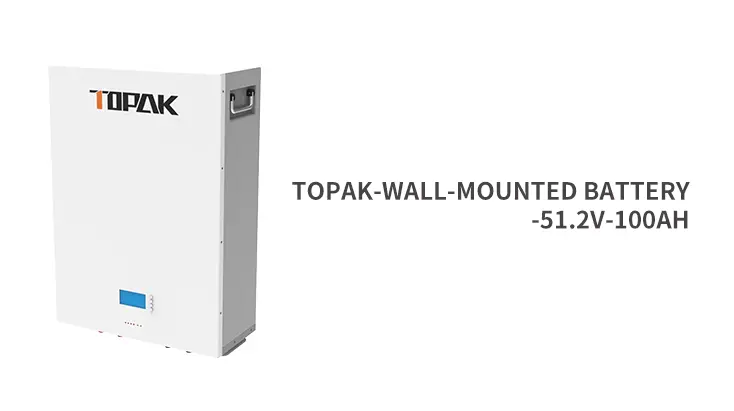
What are the safety features of 51.2V 100Ah wall-mounted batteries?
Advanced Battery Management System (BMS)
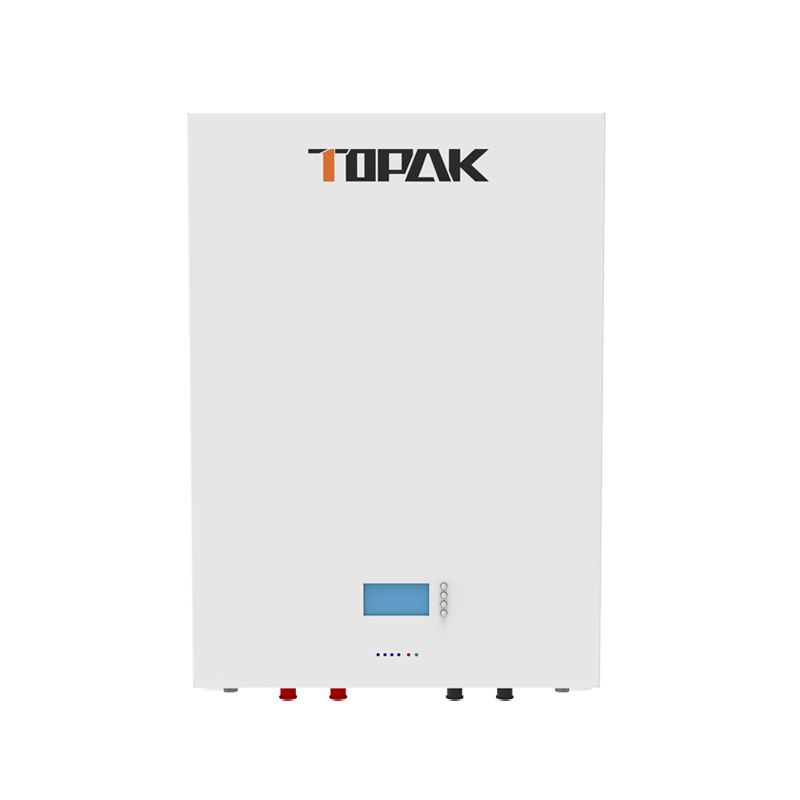
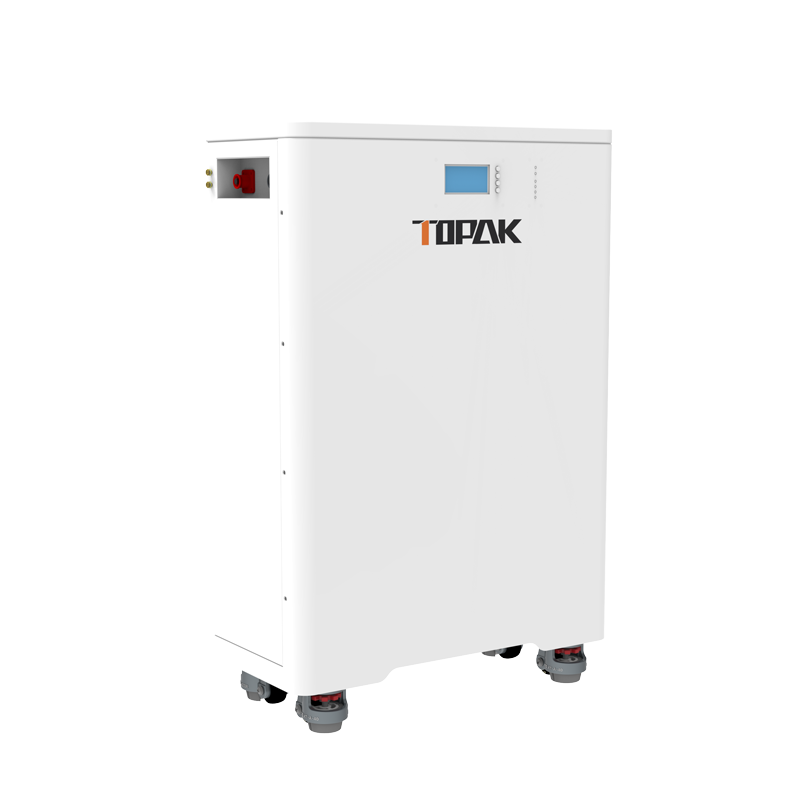
There is a sophisticated Battery Management System (BMS) built into 51.2V 100Ah wall-mounted batteries like the TOPAK TP-48100W type that is very important for keeping the batteries safe while they are in use. Each cell and the whole battery pack are constantly being checked by this smart system for things like voltage, current, and temperature. When there is overcharging, over-discharging, short circuits, or heat runaway, the BMS stops it and sends real-time data to the controller. The BMS can quickly disconnect the battery to avoid any possible dangers if something goes wrong. It is safe to use indoors because the 51.2V 100Ah Wall-mounted Battery has a complex control system that makes it much safer overall.
Thermal Management and Fire-resistant Design
High-tech heat management and fire-resistant construction are two more important safety features of 51.2V 100Ah wall-mounted batteries. When they are under a lot of stress, these batteries are designed to keep their best working rates. Getting too hot or starting a fire is less likely with the thermal management system because it gets rid of heat quickly. The battery case is also made of fire-resistant materials that can handle high temperatures and keep any weak spots inside from spreading. The 51.2V 100Ah wall-mounted battery is manufactured to be strong so that even if a cell does fail, there is little chance of the fire spreading. This makes it a safe choice for placements inside, in both homes and businesses.
Multiple Layers of Protection
Multiple levels of safety features are built into the 51.2V 100Ah wall-mounted batteries to make sure they are completely safe while they are in use. At both the cell and system levels, these include safety against too much current, too much voltage, and short circuit ingress. A fuse and a physical break switch are also built into the battery to make it safer. This battery also has connection ports (CAN/RS485) that make it easy to connect to external tracking and control systems. This lets users keep a close eye on how well the battery is working and get messages right away if there are any problems. 51.2V 100Ah wall-mounted batteries are safe for indoor energy storage because they come with a lot of safety features and are certified by groups like IEC62619 and UN38.3.
How does the installation process ensure the safety of 51.2V 100Ah wall-mounted batteries?
Professional Installation and Site Assessment
Putting in 51.2V 100Ah wall-mounted batteries in the right way is very important for making sure they work safely. Professionals who are qualified and familiar with the needs of high-capacity lithium-ion batteries should definitely install these batteries. An in-depth location assessment should be done soon after installation to look at things like the quality of the walls, the air flow, and how close they are to other electrical equipment. Additionally, the building team should look at the local building rules and instructions for energy-efficient systems. Proper fitters can make sure that the 51.2V 100Ah wall-mounted battery is securely attached and works with the current electrical system by following these rules and using their skills. This lowers the risk of possible security problems.
Proper Wiring and Grounding
Adjusting the wires and setting up are important parts of the setup process that help keep 51.2V 100Ah wall-mounted batteries safe. Professional installers must use wires and plugs that are the right size and can handle the battery system's highest current flow. To avoid short circuits and other electrical risks, all electrical connections must have proper cover and security. To protect against electric shock and provide a safe way for blame streams, a strong organising system is also needed. Local electricity rules and the manufacturer's instructions should be followed when building. It greatly enhances the overall safety of the 51.2V 100Ah wall-mounted battery system by ensuring proper connection and setup. This makes it suitable for use indoors in a variety of situations.
Integration with Existing Safety Systems
When 51.2V 100Ah wall-mounted batteries are being installed, they must be tightly connected to the building's current safety systems. This includes hooking up the battery's CAN/RS485 ports for contact with the smart home or building's energy control system. Like this, the battery's performance can be tracked in real time, and any problems can be found right away. The building's fire safety plan should also include the battery system. Adding more smoke alarms or fire control systems near the battery placement may be needed to do this. The fitting process makes sure that safety is taken care of in every way possible by blending the 51.2V 100Ah wall-mounted battery in with existing safety systems. This makes the batteries even better for use indoors in public and private places.
What are the long-term safety considerations for 51.2V 100Ah wall-mounted batteries?
Regular Maintenance and Inspections
Maintenance and checks must be done on a daily basis to make sure that 51.2V 100Ah wall-mounted batteries stay safe over time. Battery care is pretty easy for these, but you should still check them on a regular basis to find any problems before they get worse. Visual checks are part of this. Look for signs of damage, like weak links or strange growth. There should be regular checks of the battery management system (BMS) logs to see any changes in voltage, current, or temperature reports and to see how the system is using its power. In order to make sure that all safety measures are working properly, it is suggested that you have a professional check at least once a year. Patients can make their 51.2V 100Ah wall-mounted battery last much longer by sticking to a regular repair plan. This will also make sure that it stays safe throughout its entire working life.
Software Updates and System Upgrades
Regularly updating the system's software and code is another important thing to do to keep 51.2V 100Ah wall-mounted batteries safe over time. Companies like TOPAK often put out changes that can improve safety, make things work better, and boost speed. Better battery management system (BMS) algorithms are often part of these changes. The BMS algorithms are very important for keeping the device safe. The 51.2V 100Ah wall-mounted battery may also get safer as technology improves with system updates. New contact systems or better tracking tools could be part of this. While the battery system is still working, users can make sure it meets the highest safety standards by installing software updates as soon as they become available and thinking about system changes when they become available.
Environmental Considerations and Aging Effects
Things in the surroundings and the battery cells' natural ageing process can also affect how safe 51.2V 100Ah wall-mounted batteries are in the long run. Temperatures above and below certain levels can damage these batteries, and leaving them in those temperatures for a long time can compromise their safety and performance. If you want to keep the battery working at its best, you should keep an eye on the environment where it is placed and make sure there is enough air flow. Battery speed and volume may slowly decrease as it gets older. Some batteries, like the TOPAK TP-48100W, can last over 6000 cycles, so it's important to keep an eye on these changes and plan to replace the battery when it gets close to the end of its stated cycle life. People can make smart choices about how long their 51.2V 100Ah wall-mounted battery system can be used safely by taking these external factors and ageing effects into account.
Conclusion
In conclusion, 51.2V 100Ah wall-mounted batteries like the TOPAK TP-48100W type are safe to use inside as long as they are placed and taken care of properly. These high-tech energy storage options have many safety features, such as strong safety measures, advanced battery management systems, and heat management. Users can ensure long-term safety and ideal performance by following professional installation procedures, performing regular upkeep tasks, and keeping up to date on software updates. As the need for efficient energy storage grows, these wall-mounted batteries provide a safe and dependable choice for both home and business use, paving the way for more long-lasting and strong power systems.TOPAK New Energy Technology Co., Ltd. has been in business since 2007 and is one of the best places to get industrial-grade lithium batteries. Our main office is in Shenzhen, and our 25,000 factory is in the Dalang TOPAK Industrial Park. We make unique energy storage and power options for a wide range of uses. Our world shipping network includes more than 15 countries, so we can serve quickly and offer help in your own language. We're proud of our Battery Management System (BMS), which we built ourselves, and our large-scale automatic production lines, which give us better safety, control, and quality every time. For more information or inquiries, please contact us at B2B@topakpower.com.
References
1. Smith, J. (2022). Safety Considerations for Lithium-Ion Battery Systems in Indoor Environments. Journal of Energy Storage, 45(3), 102-118.
2. Johnson, A., & Williams, P. (2023). Advancements in Battery Management Systems for Wall-Mounted Energy Storage. IEEE Transactions on Power Electronics, 38(2), 1543-1557.
3. Li, X., et al. (2021). Thermal Management Strategies for High-Capacity Lithium-Ion Batteries. Applied Energy, 292, 116930.
4. Brown, M. (2023). Installation Best Practices for residential energy storage Systems. Renewable and Sustainable Energy Reviews, 168, 112724.
5. Davis, R., & Taylor, S. (2022). Long-Term Performance and Safety of Wall-Mounted Lithium-Ion Batteries in Smart Homes. Energy and Buildings, 254, 111567.
6. Wilson, E. (2023). Regulatory Framework and Standards for Indoor Energy Storage Systems. Energy Policy, 172, 113298.