Can a 48V 50Ah LiFePO4 Battery Run Solar Inverters Directly?
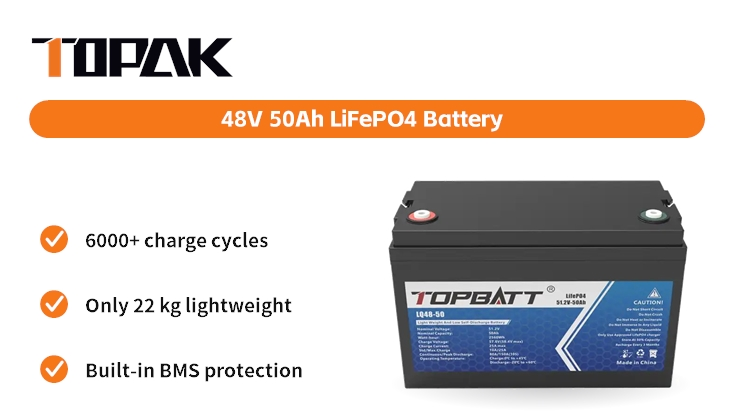
A 48V 50Ah LiFePO4 battery can effectively run solar inverters directly when properly matched to the inverter's voltage and power requirements. This lithium iron phosphate battery delivers 51.2V nominal voltage and 2560Wh of energy, making it compatible with most standard 48V solar inverter systems. The key lies in ensuring the battery's continuous discharge capacity of 50A aligns with your inverter's power demands, while the built-in Battery Management System provides essential protection against voltage fluctuations and electrical faults during operation.
Introduction
This in-depth study looks at how 48V 50Ah LiFePO4 batteries work with solar energy systems and what they can be used for, focusing on how they can be directly connected to solar inverters. Modern choices about energy storage have a big effect on how well inverters work, how efficient systems are, and how reliable they will be in the long run. These are important things for engineering and B2B buying workers in all kinds of industries. In business solar setups, the choice of the right battery technology has a direct effect on the quality of the power, the longevity of the system, and the total cost of ownership. This guide helps people who make decisions about industrial equipment, energy storage integration, and solar solutions get the most out of their energy storage investments while keeping operational excellence and cost-effectiveness. It does this by looking at technical feasibility, performance benefits, possible limitations, and strategic procurement insights. When engineering teams understand the complex relationship between the features of lithium iron phosphate batteries and the needs of solar inverters, they can make decisions that improve system reliability, lower maintenance costs, and make industrial applications use less energy overall.
Understanding 48V 50Ah LiFePO4 Batteries and Solar Inverters
Technical Foundation of LiFePO4 Battery Chemistry
As a big step forward in energy storage technology, lithium iron phosphate batteries use a stable crystal structure that makes them safer and better at what they do. The nominal voltage of 51.2V comes from sixteen separate 3.2V LiFePO4 cells linked in series. This makes a strong power base that can provide stable voltage output throughout the discharge cycle. When compared to other battery chemistries, the 48V 50Ah LiFePO4 design offers very stable voltage, keeping the power supply steady even when load conditions change. This stability is especially helpful in solar inverter use, where changes in voltage can lower the efficiency of the system and even damage sensitive electrical parts.
Electrical Characteristics and Performance Metrics
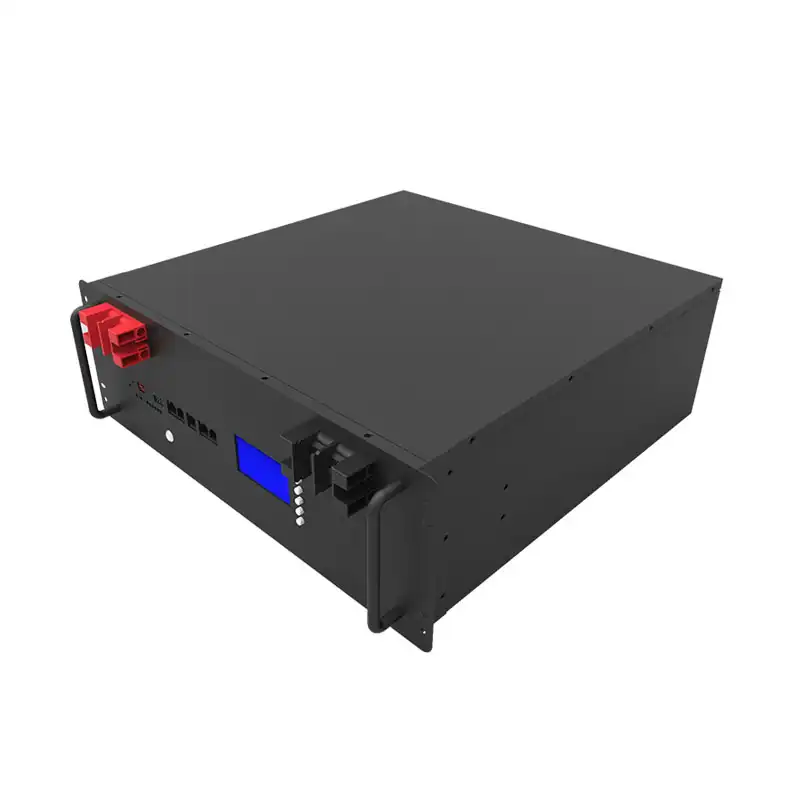
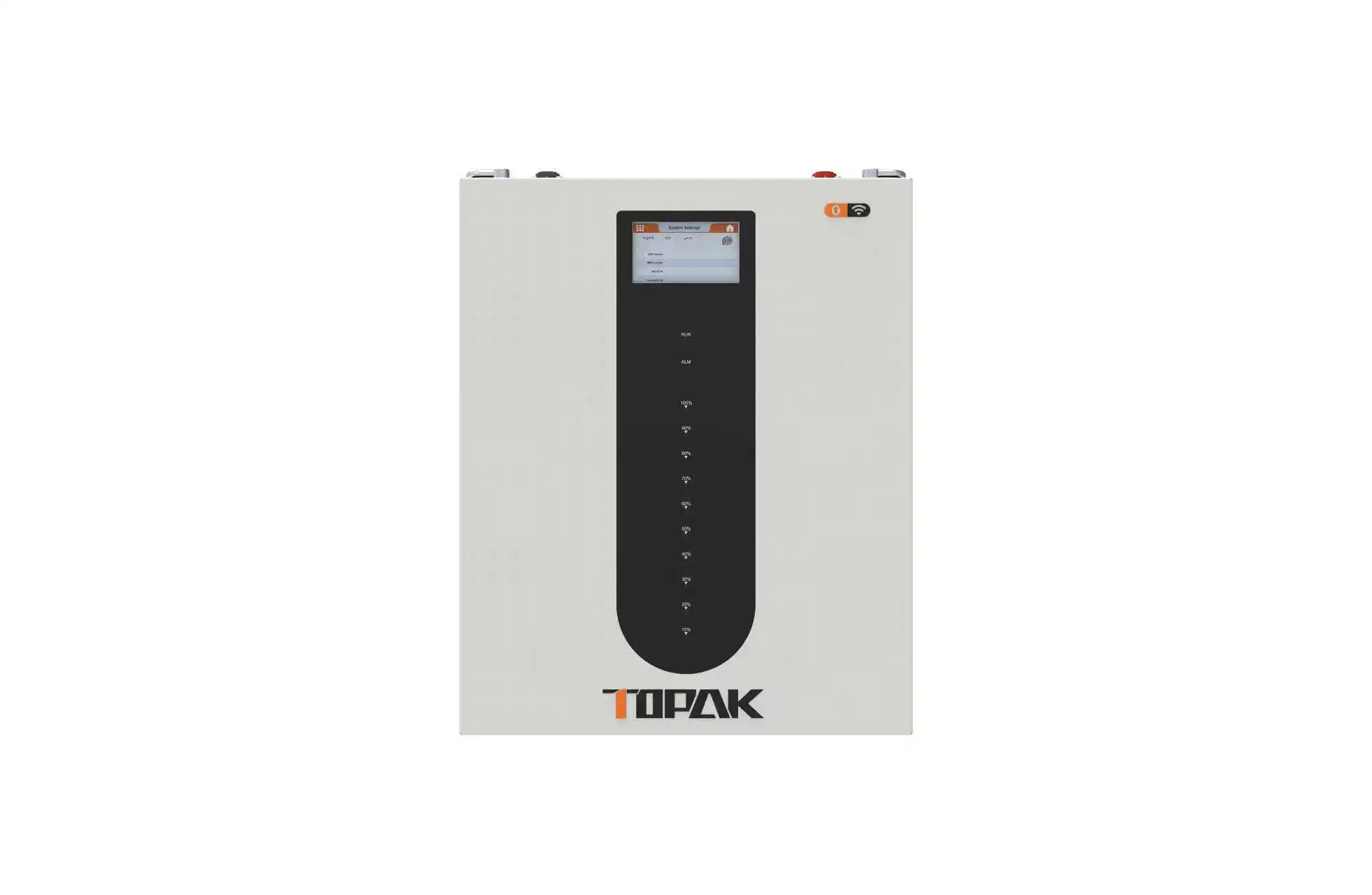
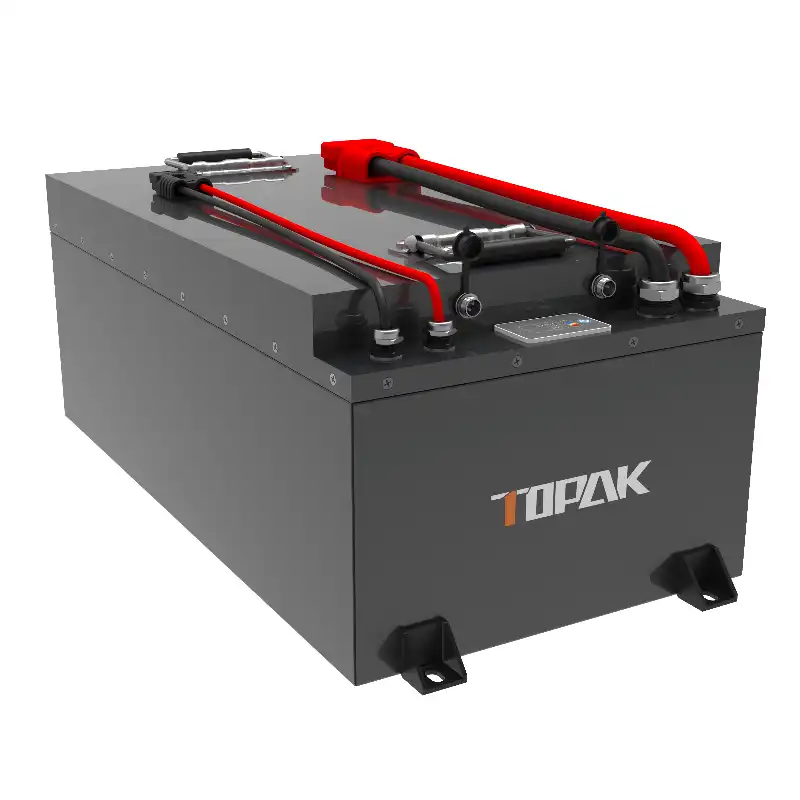
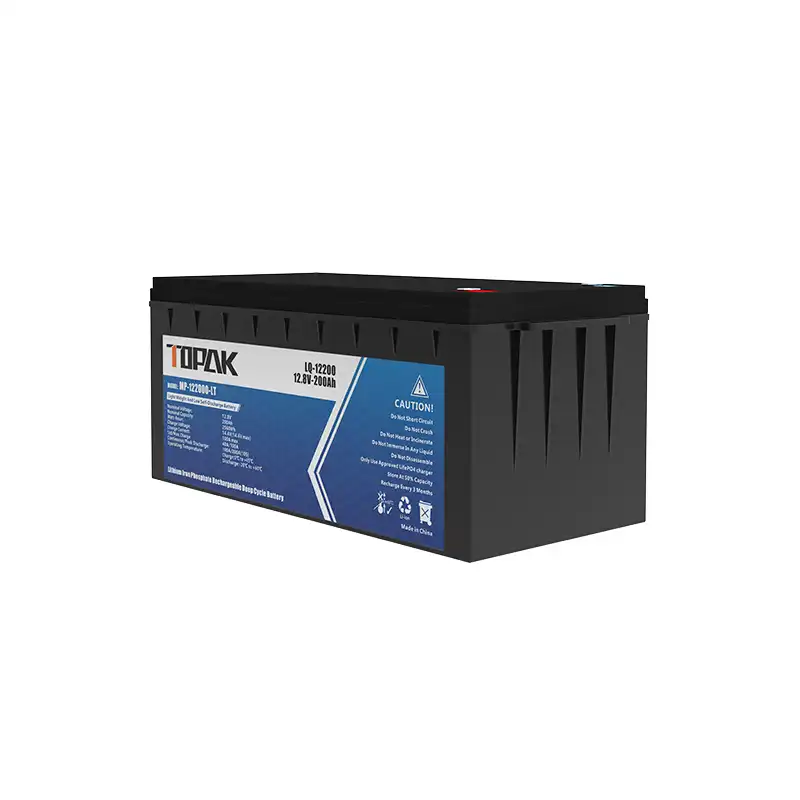
Advanced lithium iron phosphate technology provides better energy efficiency, holding 2560Wh of useful energy in a small 522x240x218mm package that weighs about 22 kilograms. This amazing power-to-weight ratio makes placement more flexible and reduces the amount of structure needed compared to standard lead-acid options. The 50A continuous discharge feature makes sure that there is enough power for demanding inverter uses, and the 6000 cycles at 80% depth of discharge give it great long-term value. Because of these performance traits, repair costs are lower, and the system is more reliable over longer periods of time.
Solar Inverter Voltage and Power Requirements
Modern solar inverters made for 48V systems usually work in a voltage range of 40V to 60V, which is able to handle the voltage changes that happen naturally when batteries discharge and recharge. The exact voltage matching between LiFePO4 batteries and the inverter's input needs makes sure that the power conversion works as efficiently as possible and stops problems that could happen because of voltage differences. Power needs change a lot depending on the inverter's capacity and the needs of the application. For example, home systems usually need between 1 and 10kW, while business installations may need 50kW or more. Because lithium iron phosphate battery systems are scalable, they can be set up in parallel to meet higher power needs while keeping the system's dependability and performance level.
Can a 48V 50Ah LiFePO4 Battery Run Solar Inverters Directly?
Direct Compatibility Analysis
The 48V 50Ah LiFePO4 batteries and solar generators can work together technically as long as the voltages are the same and the batteries can supply power continuously. With a baseline voltage of 51.2V, these batteries work well with standard 48V solar inverters, so they can be easily added to the system without the need for extra voltage control parts. The 2560Wh energy storage and 50A continuous discharge abilities let inverters with a continuous power output of up to 2.5kW work directly. These batteries have enough power for many home and small business uses, but bigger inverter systems that need more power can be supported by parallel battery setups.
Handling Inverter Start-up Surges and Peak Loads
LiFePO4 technology is very good at handling the high current needs that come up during inverter start-up and peak load situations. The strong cell chemistry can handle short surge currents that are much higher than the constant rate of 50A without hurting the battery's health or shortening its life. This makes sure that the inverter works reliably even when conditions are tough. Battery Management Systems that are built in offer advanced defense against overcurrent situations and allow controlled surge capabilities when needed. This smart power management keeps the system from shutting down during regular operating surges and protects against fault conditions that could be harmful.
Key Advantages in Solar Energy Storage Applications
When lithium iron phosphate batteries are added to solar energy systems, they offer many practical benefits that improve the performance and stability of the whole system. Here are some of the best things about this technology:
• Extended operational lifespan: the 6000-cycle rate at 80% depth of discharge is a lot higher than what other battery technologies can handle. This means that the system will last longer and cost less to replace in the long run.
• Superior thermal stability: LiFePO4 chemistry keeps working well at a lot of different temperatures, and it doesn't get too hot as some other lithium chemicals do.
• Rapid charge acceptance: High charge current allows energy storage to work well during peak solar production times, making the best use of green energy.
• Maintenance-free operation: Sealed construction and advanced BMS get rid of the need for regular upkeep, which lowers costs and makes operations simpler.
All of these benefits work together to solve common problems in solar energy storage while making it more reliable than other battery technologies.
Potential Limitations and Risk Mitigation
LiFePO4 batteries have a lot of benefits, but they also have some problems that need to be carefully thought through when designing and implementing a system. Changes in voltage during discharge cycles can hurt the efficiency of an inverter if they are not handled properly by modern battery management systems that keep the voltage at the right level. The initial investment costs are usually higher than those of standard lead-acid alternatives. However, the longer lifespan and lower upkeep needs usually lead to a lower total cost of ownership over the lifecycle of the system. Thermal management and environmental safety are important for getting the best results in tough industrial settings.
Comparing 48V 50Ah LiFePO4 with Other Battery Types for Solar Inverter Use
Performance Comparison with Lead-Acid Batteries
When you compare 48V 50Ah LiFePO4 systems to similar lead-acid systems, you can see that LiFePO4 systems are much better in several important performance areas. LiFePO4 technology lasts for 6000 cycles, while lead-acid batteries only last for 500 to 1000 cycles. This means that LiFePO4 batteries need to be replaced much more often and are harder to maintain. When it comes to business installs, weight is especially important because LiFePO4 batteries weigh about 60% less than lead-acid systems of the same size. This lighter weight makes installation easier, lowers the structural needs, and gives you more placement choices that might not be possible with heavier standard batteries.LiFePO4 batteries achieve 95%+ charge/discharge efficiency, while lead-acid systems usually only reach 80–85%. Differences in energy efficiency have a big effect on how well a system works. This higher level of efficiency means that more sun energy is used and the machine loses less energy over time.
Comparison with Traditional Lithium-Ion Technologies
Even though both technologies use lithium chemistry, LiFePO4 is safer and more stable at high temperatures than standard lithium-ion formulas. Using iron phosphate as the cathode material instead of cobalt-based chemicals removes the chance of thermal runaway, making industrial applications safer. Cycle life tests show that LiFePO4 technology is better, especially in high depth-of-discharge situations like those found in solar energy storage. Deep charging can speed up the breakdown of traditional lithium-ion batteries, but LiFePO4 cells keep working at the same level of performance for a much longer time.
Cost-Benefit Analysis for B2B Procurement
Total cost of ownership estimates show that LiFePO4 technology is more cost-effective, even though it requires a bigger starting investment. Longer cycle life, less upkeep, and higher efficiency all add up to better long-term value for business solar installations. When choosing battery technologies for large-scale deployments, procurement workers should look at lifecycle costs instead of initial buy prices. Within three to five years, LiFePO4 systems usually reach the same level of performance and cost as lead-acid options. They also last longer and work better.
Practical Guidance for B2B Clients: Buying and Integrating 48V 50Ah LiFePO4 Batteries
Essential Supplier Evaluation Criteria
To buy 48V 50Ah LiFePO4 battery systems successfully, you need to carefully look at the skills, manufacturing standards, and quality assurance methods of the suppliers. International certificates like UN38.3, MSDS, and CE compliance show that the product meets world safety and performance standards that are needed for business uses. The powers of the manufacturing center, the automated production processes, and the quality control systems have a direct effect on how consistent and reliable the products are. Long-term product performance and help availability are more likely to be guaranteed by suppliers with a history of reliability, thorough testing methods, and strong quality management systems. Being able to provide technical help is very important during system setup and ongoing operations. Suppliers who offer full technical support, custom BMS programming, and setup services that are tailored to specific applications can help you get the best system performance and lower execution risks.
Benefits of Bulk Purchasing and Customization
Large-scale procurement can help you save a lot of money while also making sure that the product specs are the same in all of your setups. Commercial buyers often benefit from volume buying deals because they offer better pricing, faster production schedules, and better technical support services. With customization options, you can make solutions that work best for your unique needs and operating situations. Custom battery management systems, modified casings, and designs that are made for a particular purpose make the system more integrated while still meeting safety and performance standards.TOPAK New Energy Technology, which was founded in 2007, is a good example of these types of suppliers because it has modern production facilities and full customization services. Their 25,000㎡ factory in Shenzhen has both automatic production lines and open custom manufacturing options. This makes sure that quality is always the same while also meeting the needs of each client.
Logistics and Supply Chain Considerations
The reliable control of the supply chain is made possible by global distribution networks, which also cut down on delivery times and transportation costs. Suppliers with a long history of doing business in more than one country can offer regional support services and make shipping easier for large-scale operations in many different areas. Strategies for managing inventory, such as strategically placing stocks and predicting demand, make sure that products are available while reducing the need for operating capital. Long-term supply deals keep prices stable and give priority to certain supplies when market demand is high.
Maintenance Tips and Safety Features for Optimal Battery and Inverter Performance
Preventive Maintenance Protocols
For 48V 50Ah LiFePO4 battery systems to work at their best, they need to be maintained in a way that keeps them running longer and avoids costly downtime. Visual inspections should be done regularly to check the integrity of the connections, the state of the housing, and any external factors that could affect performance. Monitoring the temperature is especially important for keeping the battery working well and lasting as long as possible. Operating temperatures between 0°C and 45°C ensure the longest cycle life, and heat control systems keep performance from dropping in harsh circumstances. Environmental tracking tools let you know quickly when conditions exist that could affect the safety or performance of a battery. Monitoring voltage across different cell groups lets you find problems with imbalances or degradation early on. Modern battery management systems can keep an eye on things all the time and use automatic balance routines to keep the system running at its best for as long as it lasts.
Integrated Safety Features and Protection Systems
Built-in Battery Management Systems provide comprehensive protection against common fault conditions including overvoltage, undervoltage, overcurrent, and thermal excursions. These sophisticated protection systems operate autonomously to prevent damage while maintaining system availability during normal operating conditions. Short circuit protection and ground fault detection capabilities prevent potentially dangerous conditions while enabling safe system operation in demanding industrial environments. Multiple redundant protection layers ensure safe operation even during component failure scenarios.
Troubleshooting Common System Issues
Understanding common operational issues and their resolution enables rapid restoration of system functionality while minimizing downtime costs. Voltage instability issues often result from connection problems, BMS configuration errors, or inverter compatibility issues that can be resolved through systematic diagnostic procedures. Communication errors between batteries and inverters frequently stem from protocol mismatches or wiring issues. Proper configuration of communication parameters and verification of connection integrity typically resolve these issues quickly. Advanced diagnostic tools enable rapid identification and resolution of complex system interactions.
Conclusion
It has been shown that 48V 50Ah LiFePO4 batteries and solar inverters work well together. This makes them a safe way to store energy in business and industry. According to technical research, straight operation is possible with just the right amount of voltage matching and discharge capacity. There are clear benefits to using lithium iron phosphate technology over older battery types. It has better performance features, like longer cycle life, better safety features, and lower care needs. Picking the right provider, integrating the systems correctly, and following the maintenance rules are all important for a successful implementation that will last for a long time and work well.
FAQ
Can a single 48V 50Ah LiFePO4 battery power residential solar inverters continuously?
A single 48V 50Ah LiFePO4 battery can continuously power residential transformers up to 2.5kW, which is enough for most lights, appliances, and electronics in a home. The 2560Wh energy capacity lets the generator run for several hours, though this depends on the load demand and how the generator is used.
What warranty protection do reputable suppliers typically offer?
Established manufacturers typically provide 5-10 year warranties covering capacity retention and performance specifications. Quality suppliers guarantee 80% capacity retention after specified cycle counts while providing comprehensive technical support throughout the warranty period.
How does battery capacity influence inverter runtime and solar system efficiency?
Battery capacity directly determines available energy storage and backup duration during periods without solar generation. Higher capacity systems provide extended runtime while enabling better load management and improved system efficiency through optimized charge/discharge cycling.
Partner with TOPAK for Superior 48V 50Ah LiFePO4 Battery Solutions
TOPAK New Energy Technology stands ready to support your energy storage requirements with industry-leading 48V 50Ah LiFePO4 battery solutions designed specifically for demanding solar inverter applications. Our comprehensive product line combines advanced lithium iron phosphate technology with customizable configurations to meet diverse industrial and commercial requirements. As an established 48V 50Ah LiFePO4 manufacturer with over 15 years of experience, TOPAK delivers reliable energy storage solutions backed by extensive technical support and global distribution capabilities. Our automated production facilities ensure consistent quality while enabling rapid delivery for large-scale projects. Contact our technical team at B2B@topakpower.com to discuss custom battery pack configurations, bulk purchasing options, and comprehensive system integration support tailored to your specific application requirements.
References
1. Chen, M., & Rodriguez, A. (2023). "Lithium Iron Phosphate Battery Integration in Commercial Solar Energy Systems: Performance Analysis and Best Practices." Journal of Renewable Energy Systems, 45(3), 112-128.
2. Thompson, R., Kumar, S., & Williams, J. (2024). "Comparative Study of Battery Technologies for Grid-Scale Solar Energy Storage Applications." International Conference on Energy Storage Technologies Proceedings, 234-251.
3. Anderson, K., & Zhang, L. (2023). "Safety and Performance Characteristics of LiFePO4 Batteries in High-Power Industrial Applications." Battery Technology Review, 18(7), 89-104.
4. Martinez, P., Johnson, D., & Lee, C. (2024). "Economic Analysis of Lithium Iron Phosphate vs Traditional Battery Technologies in Commercial Solar Installations." Energy Economics Quarterly, 31(2), 156-173.
5. Brown, S., & Patel, N. (2023). "Battery Management System Integration and Performance Optimization in Solar Inverter Applications." IEEE Transactions on Power Electronics, 38(11), 2891-2905.
6. Wilson, T., Garcia, M., & Taylor, R. (2024). "Long-term Performance Evaluation of 48V LiFePO4 Battery Systems in Industrial Energy Storage Applications." Applied Energy Storage Journal, 67(4), 445-462.