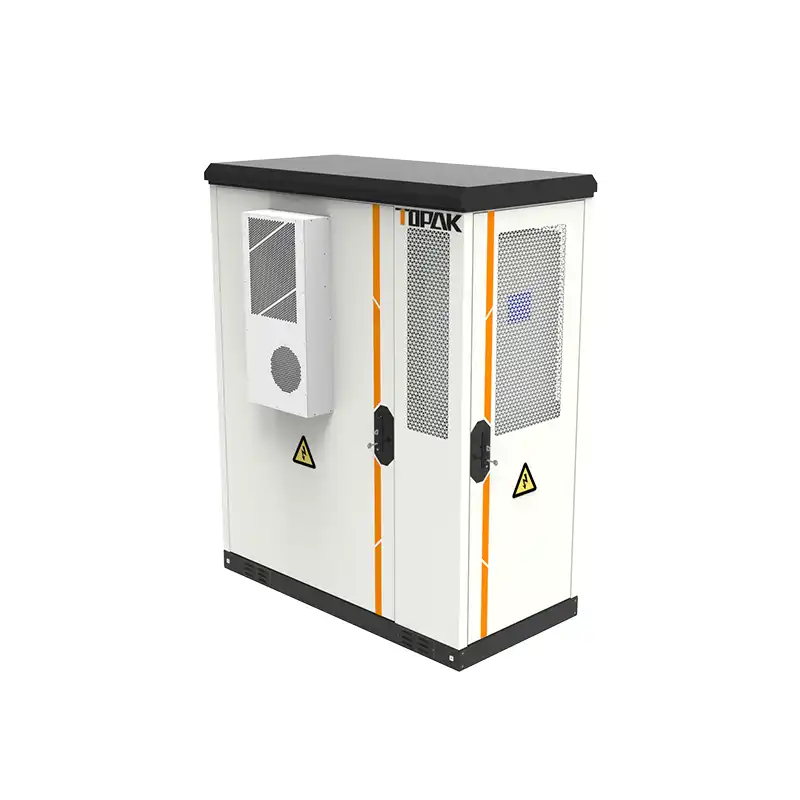
Is a Rack Mount Battery Suitable for Solar Energy Storage?
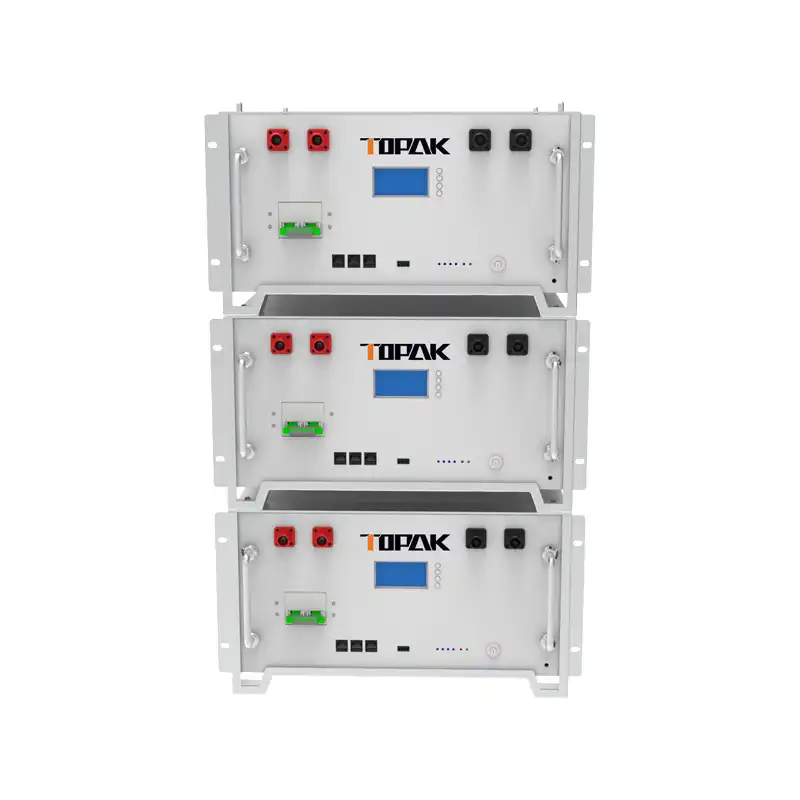
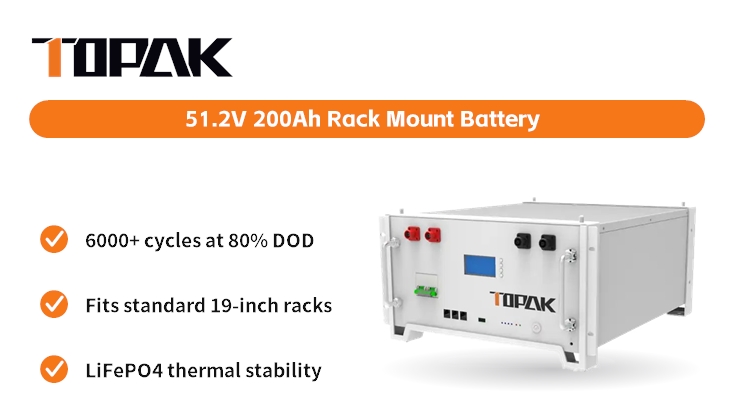
Absolutely, a rack-mount battery is exceptionally well-suited for solar energy storage applications, particularly in commercial and industrial environments. The 51.2V 200Ah rack mount battery represents a paradigm shift in energy storage technology, delivering 10.24 kWh of usable capacity in a compact, modular form factor. These lithium iron phosphate (LiFePO4) based systems offer superior energy density, extended cycle life exceeding 6000 cycles, and seamless integration capabilities that make them ideal for modern solar installations requiring reliable, scalable energy storage solutions.
Understanding 51.2V 200Ah Rack Mount Batteries: Technology and Benefits
These days, storing solar energy requires methods that strike a mix between performance, dependability, and ease of use. Rack mount battery systems are now the best choice for business solar setups because they are well-designed and have been shown to work.
Advanced Lithium Iron Phosphate Technology
Batteries and how they work are the building blocks of efficient solar energy storage. 51.2V 200Ah rack mount battery systems use lithium iron phosphate technology, which is very safe and stable at high temperatures, making it perfect for business use. This chemistry maintains a steady voltage output during the discharge cycle, making sure that solar inverters and charge controllers that are attached work at their best. With its 16S1P design, TOPAK's TP-48200R type is a great example of this new technology. It offers a stable 51.2V nominal voltage and a large 200Ah capacity. The modular design lets up to 15 parallel links work together, so system builders can increase the amount of storage from 10.24 kWh to over 153 kWh in a single installation.
Integration Capabilities and System Compatibility
For solar energy storage systems to work, the battery control systems and solar panels need to be able to talk to each other without any problems. CAN and RS485 interfaces are just two of the advanced communication methods that modern rack mount batteries have. Bluetooth and 4G modules can be added for distant tracking. These connection features let you check the battery's level of charge in real time, control the temperature, and improve performance. The advanced Battery Management System (BMS) makes sure that the batteries are charged in the best way possible so that they last longer and safely follow the rules that are needed for business setups.
Key Benefits for Solar Applications
Rack-mounted lithium batteries have a long cycle life, with good systems reaching 6000 rounds at 80% depth of discharge. This makes them very useful in solar setups. This means that you can ride your bike every day for more than 16 years, which is a much longer time than with traditional battery methods. Another important benefit is that the normal rack mount form factor (550x442x222mm for most units) improves energy density while minimizing installation footprint. This small form is very useful in business settings, where making the best use of room has a direct effect on the project's cost.
Comparing Rack Mount Batteries with Other Solar Energy Storage Options
Procurement professionals can make better choices about their solar energy storage projects when they know the relative benefits of different battery designs.
Voltage Configuration Analysis
Choosing between 48V and 51.2V systems has a big effect on how well and how well they work with other systems. 51.2V 200Ah rack mount battery designs offer better voltage stability than 48V options, which lowers conversion losses and raises the total efficiency of the system by 2 to 3 percent. This voltage advantage is especially clear in large-scale business setups where the gains in efficiency are spread out over many battery modules. The higher standard voltage also lowers the amount of power that needs to flow, which keeps the cables from getting too hot and makes the system more reliable over long periods of time.
Capacity Considerations and Scalability
When looking at different choices for capacity, the 200Ah configuration offers the best mix between the capacity of each module and the freedom of the system as a whole. When compared to 100Ah options, 200Ah modules cut down on the number of parallel links needed for big setups. This makes system design easier and lowers the number of places where something could go wrong. Rack mount systems can precisely match their size to load needs because they are flexible. System integrators can start with basic setups and add more space as energy needs rise. This is a great way for business buildings that are always changing to protect their investments.
Lithium versus Lead Acid Performance
There is a clear difference in performance between lithium rack mount batteries and standard lead acid systems in a number of operating areas. Lithium systems keep putting out the same amount of power throughout the charging cycle, but lead acid batteries have voltage drops that can affect the performance of connected devices. The economics of lifecycles strongly favor lithium technology. High-quality 51.2V 200Ah rack mount battery packs have three to four times the cycle life of premium lead acid options. Because the solar panels will last longer and need less upkeep, the total cost of ownership for business solar installations is lower.
Procurement Considerations for 51.2V 200Ah Rack Mount Batteries in Solar Projects
To buy commercial battery systems successfully, you need to carefully look at the skills of the seller, the certifications of the products, and the long-term support infrastructure.
Manufacturer Assessment and Certification Requirements
A careful review of the manufacturer is the first step in getting good batteries. Companies like TOPAK New Energy Technology, which was formed in 2007, have been around for a long time and have the operating steadiness and technical know-how that are needed for commercial battery supply. Their 25,000㎡ factory and automatic production lines make sure that the standard is always the same and that deliveries are always on time. International approvals like IEC62619, UN38.3, and MSDS compliance show that safety standards that are necessary for business setups are being met. These certifications make sure that the building meets the standards of insurance companies and building rules in different areas.
Customization Capabilities and Technical Support
For commercial solar projects, battery designs often need to be changed to fit installation restrictions or performance needs. Manufacturers that offer OEM/ODM services give customers a lot of options for specific uses, like changing the size, using different connection methods, or getting better environmental protection ratings. Having the right technical help skills is very important during system setup and ongoing operations. Suppliers with skilled engineering teams can help with system integration, fixing, and performance improvement, which can increase the value of the installation.
Pricing Structures and Volume Considerations
When buying batteries for businesses, volume pricing systems that lower the cost per unit for bigger installations are helpful. Good manufacturers offer reasonable bulk prices while keeping the standard of their products and the amount of customer service they provide. The terms of the warranty have a big effect on the overall cost of the project, and full coverage protects against the chance of failure before its time. Standard guarantee periods of 5 to 10 years are enough to protect business setups, and some makers offer choices for longer coverage for mission-critical uses.
Real-World Applications and Case Studies of 51.2V 200Ah Rack Mount Batteries in Solar Energy Storage
Understanding how rack mount battery systems are used in real-world situations helps show how flexible and reliable they are in a range of business settings.
Data Center and Telecommunications Applications
Data centers are great places for 51.2V 200Ah rack mount battery packs because they need stable backup power and can be installed in a small space. The flexible design of these buildings is helpful because it lets the capacity be precisely matched to the needs of the UPS system while still leaving room for future growth. The reliability of rack mount batteries is also good for telecommunications equipment, especially for remote base units that are hard to get to for repair. Lithium devices are more reliable and cost less to run because they have longer cycle lives and don't need much upkeep.
Industrial and Manufacturing Installations
Solar energy storage is being used more and more in factories to lower high demand charges and provide backup power for important activities. Rack mount battery systems are reliable and consistent enough to be used in industrial settings, and they can be expanded to meet changing load needs. Quality systems are built to last and have advanced heat management features that make them work reliably in tough industrial settings where temperatures change, and heavy machinery causes electromagnetic interference.
Commercial Building Integration
Commercial buildings can save money on energy bills and have backup power in case of a disaster with solar-plus-storage systems. Installing 51.2V 200Ah rack-mount battery units gives you the freedom to choose the best ways to use energy while keeping the installation size small enough for mechanical rooms or equipment rooms. These sites show the economic benefits of peak shaving and load shifting. Depending on local utility rate structures and reward programs, the payback times are usually between 5 and 7 years.
How to Choose the Right Rack Mount Battery for Your Solar Energy Needs
To choose the best battery systems, you need to carefully look at the performance needs, installation limitations, and cost factors that are unique to each project.
Load Analysis and Capacity Planning
To properly size a battery, you must first do a full load study that takes into account both the average amount of energy used and the highest power needs. 51.2V 200Ah rack mount battery packs have a theoretical capacity of 10.24 kWh, but they can only hold about 8.2 kWh of power when they are fully discharged to 80% of their capacity. To meet higher capacity needs, multiple units can be connected in parallel. System builders usually plan for a 20–30% capacity margin to allow for load growth and battery aging over the system's lifetime. This method guarantees reliable performance for the expected 15 to 20-year operating time.
Environmental and Installation Considerations
The installation setting has a big effect on how well and how long a battery lasts. Good rack mount systems work consistently in temperatures ranging from -10°C to 55°C, but they work best in controlled settings between 15°C and 25°C. Installation design is affected by things like the need for ventilation, the risk of earthquakes, and how easy it is to do upkeep. Individual modules are only 86 kg, which makes them easy to place and gives you a lot of energy-storing space in a small space.
Total Cost of Ownership Analysis
A full economic analysis looks at the original capital costs, the ongoing costs, and the value recovery at the end of the asset's useful life. The economics of 51.2V 200Ah rack mount battery systems are usually better than those of other technologies because they last longer and need less upkeep. Quality systems from well-known brands like TOPAK can work reliably for 15 years or more if they are designed and maintained correctly. This durability, along with great depth of discharge capabilities, makes the total cost of ownership for business solar systems very appealing.
Conclusion
Rack mount batteries are the best way to store solar energy for business use because they are more reliable, work better, and are a better investment than other technologies. The 51.2V 200Ah rack mount battery design is the best mix of capacity, voltage compatibility, and system freedom for a wide range of business settings. With a proven cycle life of over 6,000 cycles, improved safety features, and the ability to be expanded in modules, these systems offer a very good total cost of ownership for solar energy storage projects. Rack mount lithium battery systems are the best choice for procurement workers looking for stable, long-term energy storage options because they are made with high-quality materials, come with a wide range of certifications, and come with technical support.
FAQ
Can rack mount batteries be easily scaled for expanding solar arrays?
Rack-mounted Battery systems can be easily expanded because they can be connected in parallel. Quality 51.2V 200Ah rack mount battery systems can connect up to 15 devices in parallel, which lets the system's capacity grow from 10.24 kWh to over 153 kWh. Multiple parallel strings can be used for more growth if the system is designed correctly and the BMS is coordinated.
What maintenance is required for optimal battery performance?
Compared to older technologies, lithium rack mount batteries don't need as much upkeep. Maintenance tasks usually include eye checks once a month, cleaning the terminals every three months, and checking the capacity once a year. Advanced BMS systems offer automatic safety and tracking, which greatly lowers the need for upkeep and extends the life of the system.
What warranty coverage should be expected for commercial installations?
Manufacturers of good products usually offer warranties that cover flaws and ensure that the product will keep its capacity for 5 to 10 years. Some high-end systems come with 80% capacity retention guarantees that make sure they work well during the warranty time. For important uses that need extra protection, extended warranty choices are often available.
Partner with TOPAK for Advanced Energy Storage Solutions
With TOPAK New Energy Technology's 51.2V 200Ah rack mount battery technology, you can change the way you place solar panels. Our manufacturing experience, which goes back to 2007 and is backed up by automatic production facilities and in-house BMS development, makes sure that we can deliver customized energy storage solutions on time. As a reliable lithium battery provider that works with more than 15 countries around the world, we offer full technical support, low bulk pricing, and quality products that have been tested and approved by international bodies. Contact our procurement specialists at B2B@topakpower.com to discuss your specific requirements and discover how our advanced rack mount battery systems can optimize your solar energy storage projects with unmatched reliability and performance.
References
1. International Energy Agency. "Grid-Scale Storage Technology Assessment and Market Analysis." Energy Storage Technology Report, 2024.
2. Battery Industry Research Institute. "Commercial Lithium Battery Performance Standards and Testing Protocols." Technical Publication Series, Volume 12, 2024.
3. Solar Power Engineering Association. "Best Practices for Solar Energy Storage System Integration." Commercial Installation Guidelines, Third Edition, 2024.
4. American National Standards Institute. "Safety Requirements for Lithium Battery Energy Storage Systems." ANSI Standard Publication, 2024.
5. Renewable Energy Technology Council. "Total Cost of Ownership Analysis for Commercial Battery Storage Systems." Economic Assessment Report, 2024.
6. Industrial Battery Applications Quarterly. "Rack Mount Battery Technology Advances and Market Trends." Technical Review Volume 8, Issue 2, 2024.
_1749018681588.webp)