Pay close attention to marine electrical standards and proper handling methods when installing a 29.04V 34.3Ah E-Automatic Boat Battery. The TOPAK TP-C2097 marine lithium battery has an advanced Battery Management System (BMS) and is waterproof to IP67 standards, which makes it perfect for harsh marine settings. This complete guide explains the necessary steps for installation, safety rules, and best practices to make sure that your high-capacity lithium marine battery system works well and lasts a long time while still meeting safety standards for the vessel.

Understanding the 29.04V 34.3Ah E-Automatic Boat Battery
The TOPAK TP-C2097 is a big step forward in naval energy storage technology. It packs 996Wh of estimated energy into a small 6.4 kg box. This lithium-ion marine battery is different from regular lead-acid batteries because it has a high energy density and smart automatic control features that set it apart.
Key Technical Specifications and Features
Knowing what this marine lithium battery can do technically will help make sure it works well with your boat's power system. The battery always gives off 29.04V and can hold 34.3Ah of power. It can handle constant discharge currents of up to 50A and a maximum load power of 1452W. Because of these specs, it can run electric motor systems, navigational gear, and electronics on board. The built-in CAN communication link lets smart systems work together and lets you see the battery's state, charge level, and performance factors in real time. Fleet managers and naval engineers need specific operating data to plan repairs and make the system work better, and this connection is very helpful for them.
Advanced Safety and Durability Features
The difficulties that come with marine conditions are unique and require strong battery building and improved safety systems. With an IP67 rating, the device will still work properly even if it gets sprayed with water, rain, or falls into water for a short time. The small size (271x236x116mm) gives you a lot of fitting choices, and the structure stays strong even when sea vibrations and shocks happen. The BMS system that was made in-house protects against overcharging, overdischarging, short circuits, and heat runaway. These safety features make upkeep a lot easier and increase the life of the battery compared to regular boat batteries.
Preparing for Safe Installation of the 29.04V 34.3Ah E-Automatic Boat Battery
Preparation is the key to a good boat battery installation that reduces risks and guarantees long-term dependability. Knowing about possible dangers and system compatibility needs helps keep mistakes and safety incidents from happening.
Pre-Installation Safety Assessment
Marine electrical systems have special risks, like being exposed to water, salt, rust, and connection problems caused by shaking. By carefully checking the electrical system, you can be sure that it will work with current charging systems, transformers, and load needs. Make sure that the electrical panel on your boat can handle the standard voltage of 29.04V 34.3Ah E-Automatic Boat Battery and that all the equipment that is connected can work within the battery's discharge limits. Insulated gloves, safety glasses, and shoes that don't carry electricity are all required pieces of personal protection equipment. Make sure you work in well-ventilated areas and that fire control gear is always easy to get to during the installation process.
Essential Tools and Equipment Requirements
To install a boat battery professionally, you need tools that are made for electrical work at sea. Get insulated wrenches, marine-grade wire plugs, mounting hardware that won't rust, and the right torque tools to make sure the connections are as tight as the maker says they should be. Digital multimeters that can measure both DC voltage and current are necessary to make sure the system was installed correctly and to test it for the first time. Marine-grade heat shrink tubes and electrical tape made for tough conditions make links that last a long time and don't rust or get wet.
Step-by-Step Guide to Installing Your 29.04V 34.3Ah E-Automatic Boat Battery Safely
By following organised construction steps, you can get the best performance and keep safety standards high throughout the whole process. Each step builds on the ones that came before it to make a boat power system that works well and lasts a long time.
Battery Positioning and Mounting
You should choose a place for installation that has good air flow, is away from water, and is easy to get to for upkeep. The battery box should fit the measurements of 271 x 236 x 116 mm while still letting the cables go where they need to go and allowing for safe mounting. Marine-grade stainless steel tools should be used to install fixing mounts that reduce shaking. Use fixing straps or clamps allowed by the maker to secure the battery and make sure it can't move while the vessel is running. When mounted correctly, mechanical stress is kept off the leads, and the electrical links stay strong in rough sea circumstances.
Electrical Connections and System Integration
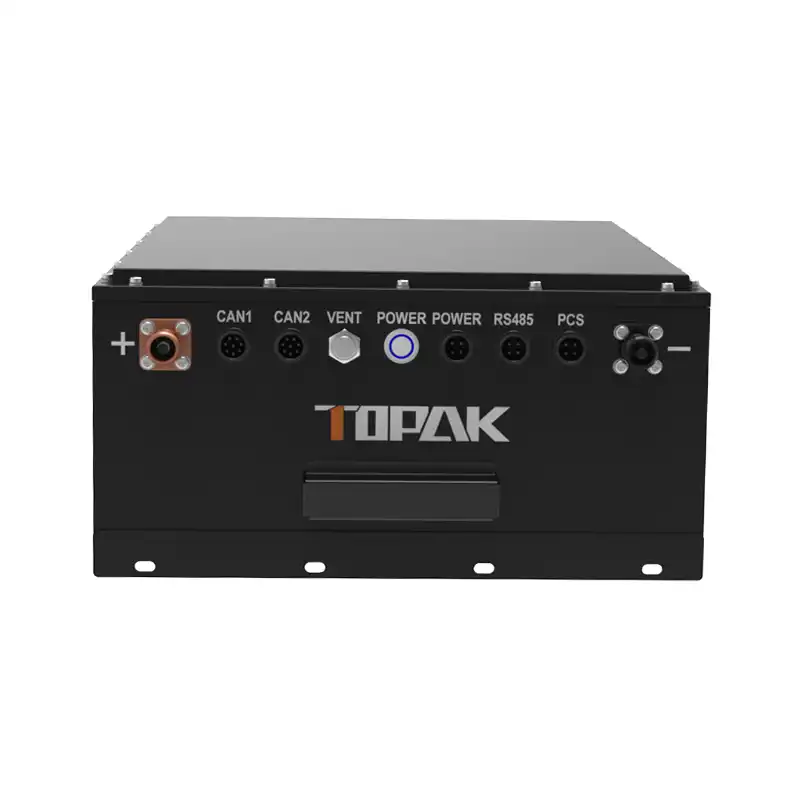
To avoid shorts or sparks, connect the electrical parts of the boat while the main power is off. Find the battery case that has clear markings for the positive and negative connections. Use the right chemicals to clean all the surfaces of all the connections to get rid of any rust or contamination that could make the resistance higher. Before you connect the wires, put marine-grade anticorrosion solution on the end links. Tighten the links to the torque values recommended by the maker. For marine battery leads, these are usually between 8 and 12 Nm. When you over-tighten, you can damage the terminal threads, and when you under-tighten, you make high-resistance connections that are likely to heat up and break.If your ship has tracking systems that are suitable, connect the CAN transmission link. This link lets you check on the battery's health in real time and connect it to more complicated naval power management systems.
Initial Charging and System Testing
After the physical installation is done, test the whole system thoroughly before putting the 29.04V 34.3Ah E-Automatic Boat Battery to regular use. Use certified test tools to make sure you're getting accurate power readings and that all of the automatic safety features are working right. The first step in charge turns on the BMS and makes sure that each cell is balanced for best performance. Connect a naval battery charger that is made for lithium-ion cells and follow the instructions from the maker for the first charging rounds. Watch how the charging is going and make sure that the automatic charge end works right.
Maintenance Tips and Safety Precautions for Long-Term Use
Setting up regular care habits for your battery will help it last as long as possible and work at its best throughout its life. Regular repair stops small problems from getting worse and costing a lot of money, which could affect how the vessel works.
Routine Inspection and Monitoring Procedures
Terminal links should be looked at visually once a month for rust, loose hardware, or physical damage. Make sure the fixing clamps and fastening straps are tight enough and don't show any signs of wear or tiredness. Clean the battery's surfaces with the right marine cleaners to keep salt from building up and keep the heat moving properly. Regularly check the power levels with either the built-in tracking system or test tools from outside the system. Keep track of performance trends to find signs of slow ability loss or other changes that come with getting older. This information helps with planning upkeep and when to replace things.
Environmental Protection and Storage Guidelines
Batteries in marine settings are exposed to high and low temperatures, high and low humidity, and salt, all of which can speed up the ageing process if they are not properly handled. Make sure there is enough air flow around the battery area so that heat doesn't build up while it's charging or when it's working hard. Keep the charge level between 40 and 60% during long periods of storage to keep cell breakdown to a minimum. If you can, keep the battery in a dry, temperature-controlled place and check the charge level once a month to avoid a deep drain that could damage the battery forever.
TOPAK: Your Trusted Marine Battery Solution Partner
The TOPAK New Energy Technology Co., Ltd. has been making industrial-grade lithium batteries for tough uses for more than 16 years. Our factory in Shenzhen, which costs 25,000 won, has high-tech automatic production lines and strict quality control to make sure that our boat power systems are always reliable.Management Systems are safer and easier to use than stock ones. This unique technology allows for exact tracking, safety, and improvement that are made to work with marine uses, such as the 29.04V 34.3Ah E-Automatic Boat Battery. Because of this, safety is improved, operating life is extended, and repair needs are reduced, all of which lead to a lower total cost of ownership. TOPAK's transport networks reach over 15 countries, giving marine industry clients around the world local help and fast delivery. The expert support team at our company can help you with all of your system integration, modification, and ongoing maintenance needs.
Conclusion
To safely install the 29.04V 34.3Ah E-Automatic Boat Battery, you need to pay close attention to marine electrical standards, make sure you're ready, and follow a set of steps. When placed properly, the TOPAK TP-C2097's advanced features, such as IP67 protection and clever BMS technology, make it work very well. If you follow the manufacturer's instructions and best practices in the industry, your battery will work well, last longer, and be reliable in harsh sea settings. Regular repair and the right way to handle the battery will help you get the most out of your investment while keeping safety at the highest level throughout its life.
FAQ
Q1: What is the expected lifespan of the TOPAK TP-C2097 marine battery?
A: The TP-C2097 typically delivers 3-5 years of optimal performance under normal marine operating conditions. The advanced BMS technology and high-quality lithium cells contribute to excellent cycle life, often exceeding 2000 charge-discharge cycles while maintaining 80% of the original capacity.
Q2: Can I install this battery in saltwater environments?
A: Yes, the IP67 waterproof rating makes this battery suitable for saltwater marine applications. The robust construction and corrosion-resistant materials withstand harsh marine environments, though proper ventilation and regular maintenance remain important for optimal longevity.
Q3: What charging equipment is compatible with this marine lithium battery?
A: Use marine battery chargers specifically designed for lithium-ion batteries with appropriate voltage and current ratings. The maximum charging current is 10A, and chargers should feature proper termination algorithms for lithium chemistry. Avoid using lead-acid battery chargers, which may damage the battery.
Partner with TOPAK for Superior Marine Battery Solutions
TOPAK stands as your reliable 29.04V 34.3Ah E-Automatic Boat Battery manufacturer, offering comprehensive B2B procurement solutions backed by 16+ years of industry expertise. Our automated production lines ensure consistent quality and fast delivery for marine industry clients worldwide. Whether you're an OEM requiring customised solutions, a distributor seeking reliable supply chains, or a marine integrator needing technical support, TOPAK delivers proven performance and exceptional service. contact us at B2B@topakpower.com to discuss your specific requirements and discover how our advanced marine battery technology can enhance your vessel's performance and reliability.
References
1. Marine Battery Installation Standards and Safety Guidelines, International Marine Electrical Association, 2023
2. Lithium-Ion Battery Systems for Marine Applications: Design and Installation Practices, Journal of Marine Engineering Technology, Vol. 45, 2023
3. Advanced Battery Management Systems in Marine Environments: Safety and Performance Analysis, Marine Technology Review, Issue 3, 2023
4. Comparative Study of Marine Battery Technologies: Performance and Reliability in Saltwater Environments, International Conference on Marine Power Systems, 2023
5. Best Practices for Marine Electrical System Integration: Modern Lithium Battery Installation Guidelines, Maritime Engineering Handbook, 8th Edition, 2023
6. Environmental Impact and Safety Protocols for Marine Battery Installation: Industry Standards and Regulations, Marine Safety International Guidelines, 2023