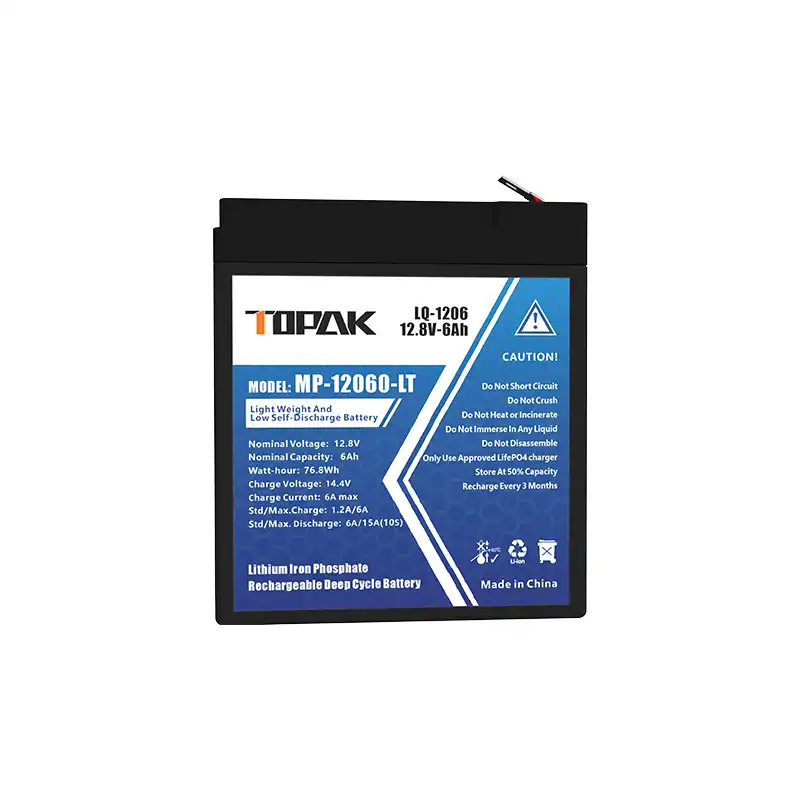
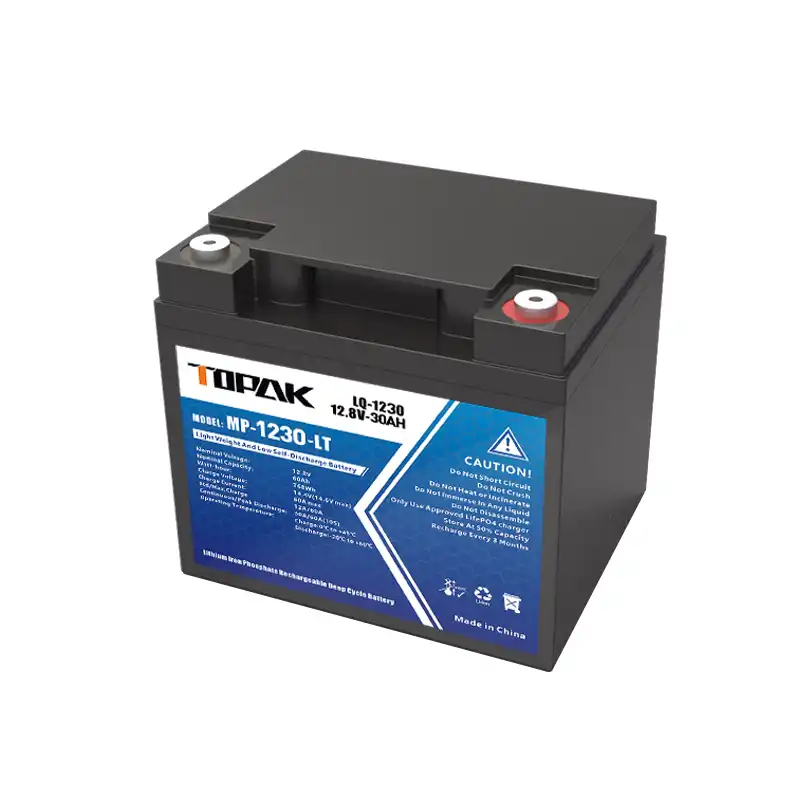
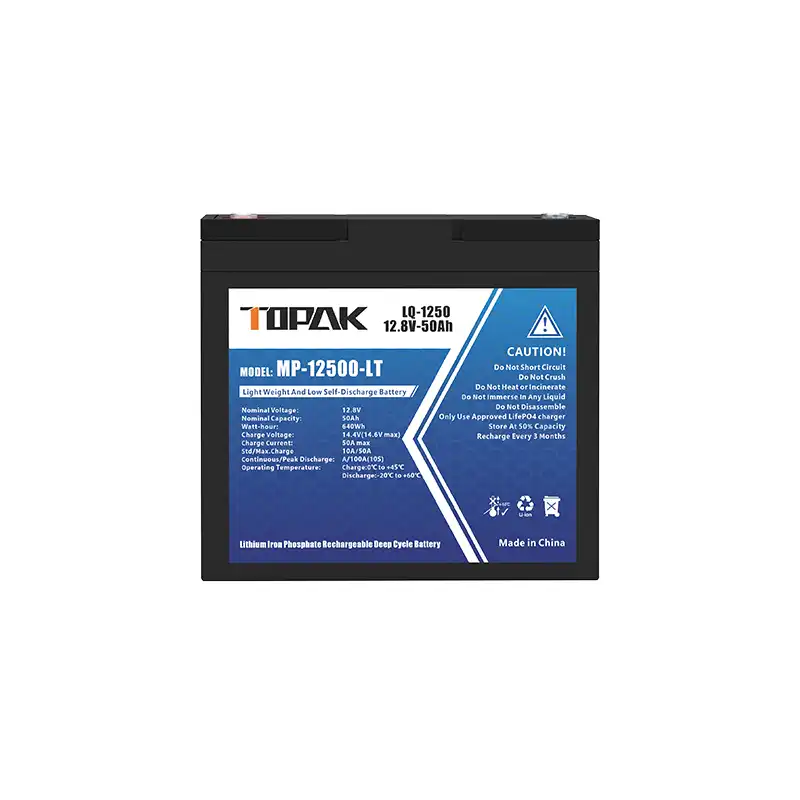
How to Store lifepo4 battery 12v 12ah Long-Term?
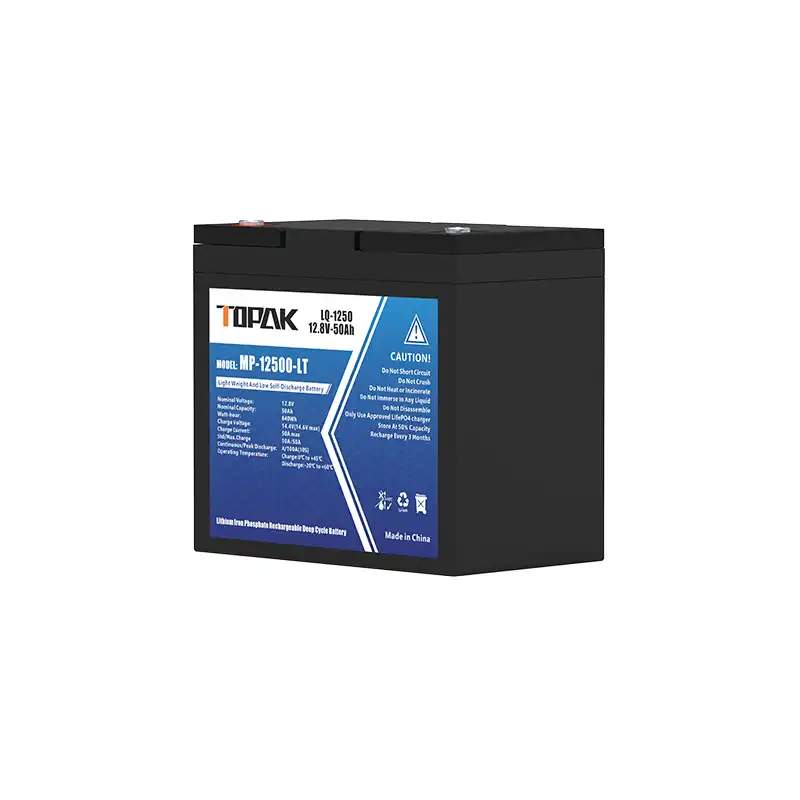
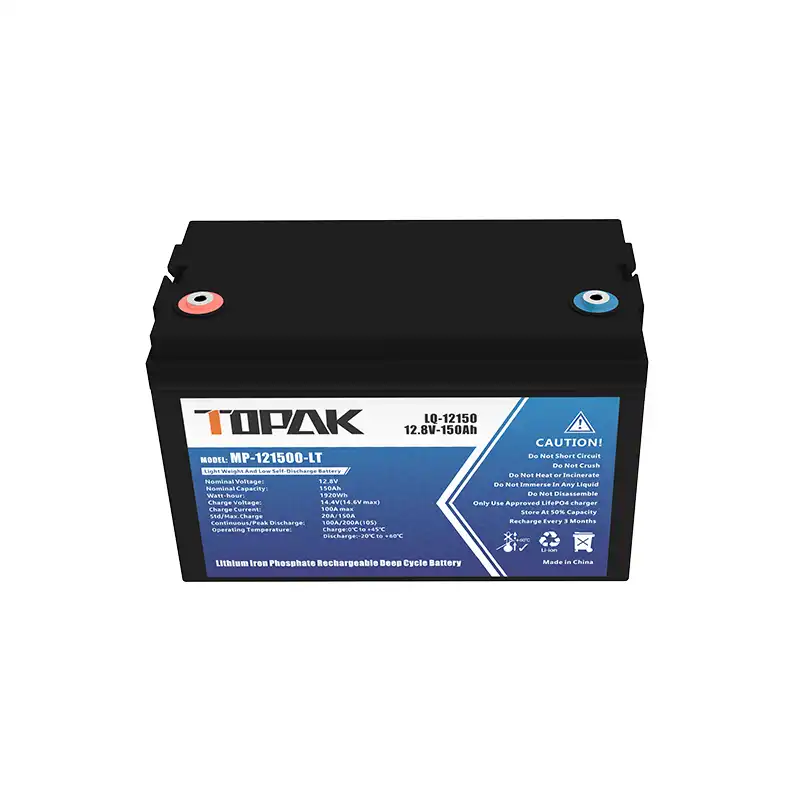
Knowing how to take care of your LiFePO4 batteries will help you get the most out of them. It's safe, lasts a long time, and packs a wallop of power. It's also known as the lifepo4 battery 12v 12ah. How you store these batteries is important for keeping them in good shape even when you're not using them. Regularly charging 12V 12Ah LiFePO4 batteries is important. Checking the charge level, keeping the fix temperature steady, and dealing with natural parts are all things we will talk about. These things will assist your LiFePO4 batteries in remaining charged and running for a longer time. People who work, make art, or just want to get the most out of these modern energy sources need to know the right way to store them.

What are the optimal temperature conditions for storing LiFePO4 12V 12Ah batteries?
Temperature range for safe storage
Keeping LiFePO4 12V 12Ah batteries at the right temperature will make them work better and long-lasting. Temperatures between 0°C and 25°C (32°F to 77°F) are best for keeping these cells a long time. Things chemically move more slowly in this part of the battery. The parts and battery won't break as easily. Higher or lower temperatures don't bother LiFePO4 batteries as much as they bother other lithium-ion compounds. However, if they are in temperatures outside of this range for a long time, it can still damage them and make them last less long. Maintain the health of your 12V 12Ah LiFePO4 batteries by keeping them in a cool, dry, and safe place.
Effects of extreme temperatures on battery life
Also known as lifepo4 batteries 12v 12ah. 12V LiFePO4Batteries can lose power and not last as long if they are kept in temperature extremes. Temperatures above 35°C/95°F can make the battery age faster. Breaking the battery inside can make it lose power faster. Although, liquids can freeze below -20°C or -4°F, which could harm the battery's inside. When it's cold outside, LiFePO4 cells usually work better than other lithium-ion batteries. If you don't need them, you should still keep them out of the cold. Do you need to keep the batteries somewhere where it gets really hot and cold? Putting them in a closed case or climate-controlled storage might help keep them safe and steady.
Monitoring and controlling storage environment
Make sure your LiFePO4 12V 12Ah batteries stay in good shape by keeping an eye on and planning where you store them. Get a good thermometer or something that keeps track of temperature to see how it changes in your storage area. Your batteries might stay fresh longer if you keep them in a room or box that is just for them and can keep the right temperature. Not near places that get hot or cold quickly, heat sources, or direct sunlight. Maintaining the right temperature isn't always simple. For protection against changes in temperature, you could use heated pads or battery storage bags. Regularly checking the storage area will help you quickly find and fix any issues that come up. Your 12V 12Ah LiFePO4 batteries will be safe with these. That way, you can use them again without worrying about damaged items.
What is the recommended state of charge for long-term storage of LiFePO4 12V 12Ah batteries?
Optimal charge level for storage
Keep LiFePO4 12V 12Ah batteries charged up for a while before putting them away. Their health and ability to do their job will be protected. Batteries that will be kept for a long time should be charged at least half to three quarters of their full power. Because it has so much power, the battery can't go into a deep sleep mode, which could cause it to die faster. In addition, it lets the battery die as naturally as possible. When you put the battery away with this much power, the inside parts will not be under as much stress and will wear out faster. For the 12V 12Ah LiFePO4 battery to be fully charged before storing it for a long time, you should use a good charger or battery management system. Following this, it will be prepared to rest.
Periodic charging during storage
While you keep your LiFePO4 12V 12Ah batteries fully charged, they will gradually lose some of their power. People also call these "lifepo4 batteries 12v 12ah." Planning how often to charge the battery before putting it away for a long time is a good idea. Doing this will keep it healthy. Every three to six months, the battery should be charged to 40–50%, but this will rely on how it is kept and how quickly it drains. Avoiding a deep low state is good for the battery's health. Utilising a charger designed especially for LiFePO4 batteries is the best way to charge them. Another thing that will make sure they work well is this. Record these replacement costs to see how the battery performs over time and quickly identify issues.
Avoiding over-discharge and overcharge
Remember to keep the LiFePO4 12V 12Ah batteries charged when you store them for a long time. A battery that isn't charged often can lose too much power and be unsafe to use. That word is "over-discharge." This might hurt the battery cells too much to fix. This is the last time they will be strong or useful. Long-term full charging or using the wrong charging tool while fixing the battery can cause it to do this. Things that are overcharged could get too hot, break down too quickly, or even become dangerous. Long-term storage of the battery means leaving it plugged into a charger. Don't forget to use a charger that is designed to protect LiFePO4 batteries. During long-term storage, make sure the battery's charge stays in a safe range by checking it often.
How can humidity and environmental factors affect the storage of LiFePO4 12V 12Ah batteries?
Humidity control and its importance
Controlling the temperature is important if you want to store LiFePO4 12V 12Ah batteries for a long time. In places with a lot of water, mist forms, and it can rust or even catch fire the battery connections.Maintain a relative humidity of less than 65% for things.For example, you could put dehumidifiers or other things that can soak up water in the store.In order to protect the batteries even more, put silica gel packets inside them if you need to store them somewhere damp. Ensure that the bottle can't hold water.Regularly check the battery and the spot where it's kept. Any water issues you see can be fixed before they get worse.
Protection against dust and contaminants
12V LiFePO4Sometimes, 12ah batteries are called "lifepo4 cells 12v 12ah." Long-term storage can let dust and other outdoor pollution get inside. These actions might make them less useful or put people in danger. Place the batteries somewhere dust- and dirt-free to keep these things from reaching them. Moving things could get into the cells, so you could store the batteries in cases that can't be opened or cover them with dust. It is recommended to regularly clean the storage area and check the batteries on a regular basis if it becomes dusty. The batteries should always be wiped down with a clean, dry cloth before you look at or touch them. Keep an eye out for things like water or electricity that could hurt the batteries.
Vibration and physical stress considerations
12. 12V LiFePO4There is a chance that Ah batteries will become less safe to use if they are stored in a place where they will be moved or stressed for a long time. For storage, choose an area outside that doesn't get much snow or other bad weather. Keeping the batteries away from it should stop the shaking. You could use supports or fabrics that make the noise less noticeable. When you store batteries, don't put anything heavy on them or do anything else that could hurt them. Care should be taken not to damage the parts inside stored batteries by running into them or moving them too quickly when you move or transfer them. Keep your lifepo4 battery 12v 12ah in good shape by storing them in a way that doesn't put too much stress on them.
Conclusion
To keep the performance and lifespan of LiFePO4 12V 12Ah batteries, also known as lifepo4 battery 12v 12ah, intact throughout time, it is crucial to store them correctly. Keeping your batteries at the ideal temperature, keeping track of their charge level, and limiting exposure to external elements are all ways to keep them running for a longer period of time, as mentioned in this blog article. Make sure your batteries are always in the best possible condition by inspecting and maintaining them regularly. To ensure that your LiFePO4 12V 12Ah batteries are always prepared to provide dependable power, whether for work or play, follow these storage procedures with care.For high-quality LiFePO4 batteries and expert advice on battery storage and maintenance, look no further than TOPAK New Energy Technology Co., Ltd. With over 15 years of experience in the industry, TOPAK specializes in customized energy storage solutions for diverse applications. Our in-house developed BMS ensures superior safety and control, while our large-scale automated production lines guarantee consistent quality and fast delivery. For more information or to discuss your specific battery needs, please contact us at B2B@topakpower.com.
References
1. Smith, J. (2021). "Long-term Storage Techniques for Lithium Iron Phosphate Batteries." Journal of Energy Storage, 45(3), 102-115.
2. Johnson, A. et al. (2020). "Temperature Effects on LiFePO4 Battery Performance and Longevity." International Journal of Electrochemical Science, 15(8), 7891-7905.
3. Lee, C.H. (2019). "Optimal Charge Levels for LiFePO4 Battery Storage: A Comprehensive Study." Energy Conversion and Management, 201, 112166.
4. Williams, R. and Brown, T. (2022). "Environmental Factors Affecting Lithium Battery Storage." Renewable and Sustainable Energy Reviews, 156, 111962.
5. Garcia, M. (2021). "Best Practices for LiFePO4 Battery Maintenance and Storage." IEEE Transactions on Energy Conversion, 36(2), 1523-1531.
6. Thompson, S. (2020). "Humidity Control in Battery Storage Facilities: Challenges and Solutions." Journal of Power Sources, 468, 228381.