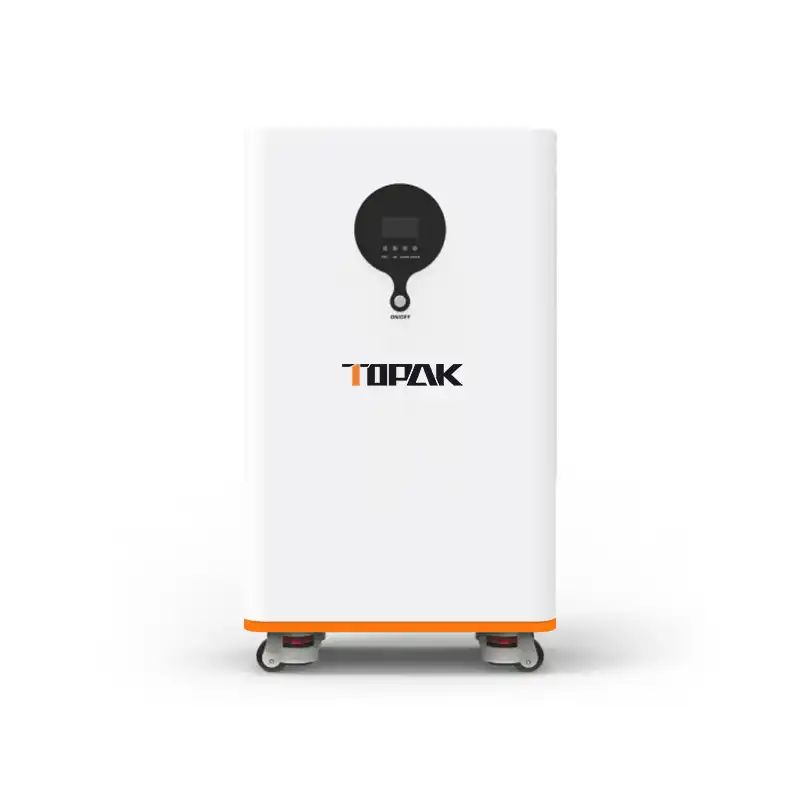
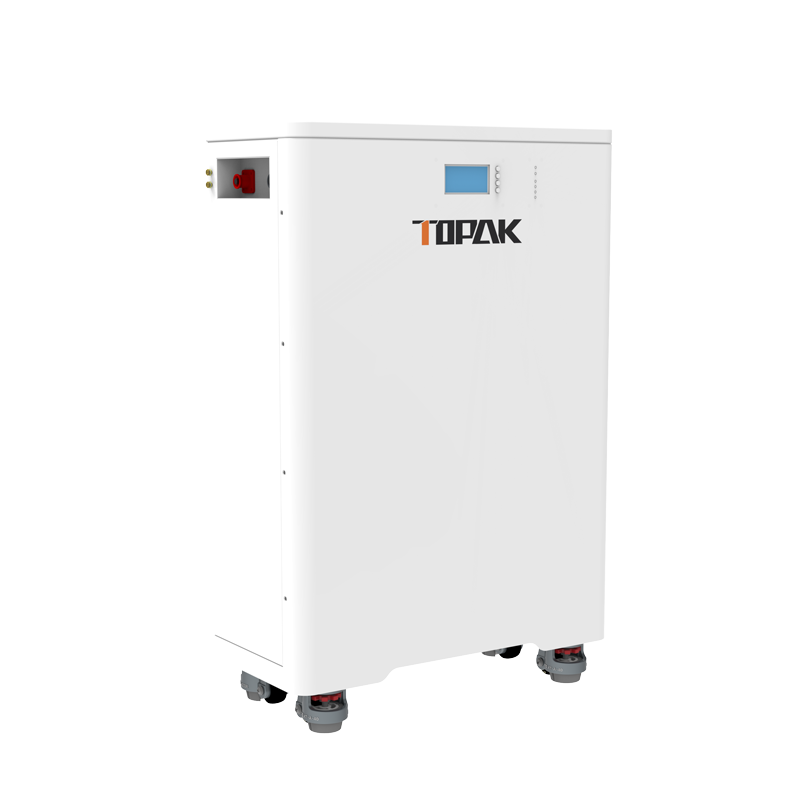
Yes, a lithium 12V 150Ah battery is excellent for solar storage walls, particularly in commercial and industrial applications. The LiFePO4 chemistry combined with 150Ah capacity delivers reliable energy storage with superior efficiency compared to traditional lead-acid alternatives. With 1920Wh of energy storage and advanced battery management systems, these batteries provide consistent power output while maintaining compact dimensions ideal for space-constrained installations. Solar energy storage has become crucial for businesses seeking energy independence and cost reduction. The choice of battery technology directly impacts system performance, maintenance costs, and long-term reliability. This comprehensive guide examines how lithium iron phosphate batteries with 150Ah capacity perform in solar storage wall applications, helping procurement managers and engineers make informed decisions for their energy infrastructure projects.
Understanding Lithium 12V 150Ah Batteries in Solar Storage Walls
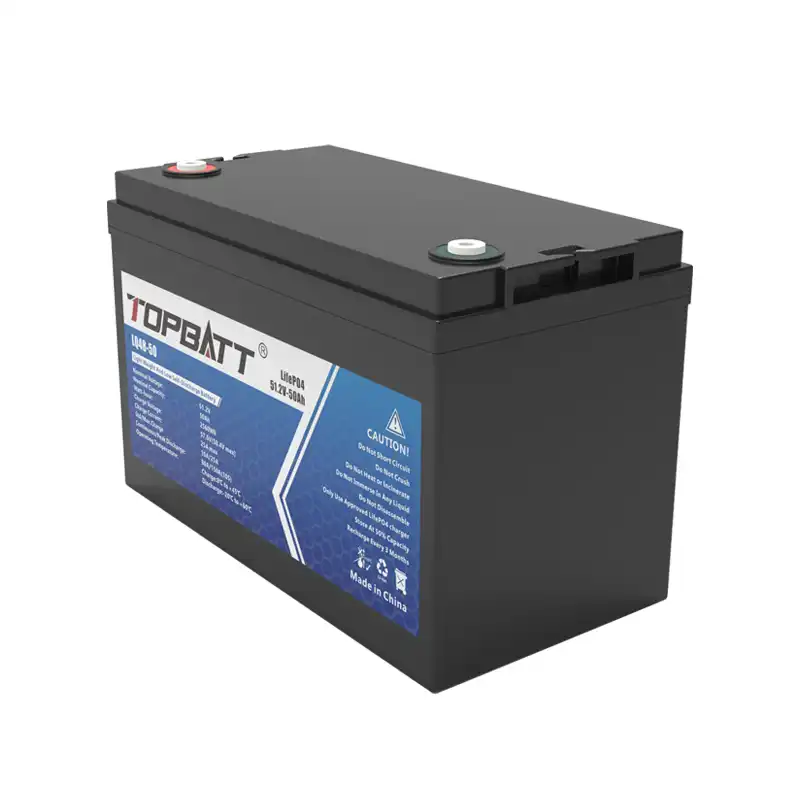
Lithium 12V 150Ah batteries combine progressed lithium-ion chemistry with commonsense capacity and voltage perfect for sun powered vitality capacity frameworks. Their compact plan offers tall vitality thickness, empowering more control capacity inside a littler impression compared to options. These batteries dependably store and release vitality collected from sun oriented boards, conveying steady voltage yield and proficient control administration. For B2B buyers, understanding determinations such as amp-hour capacity, ostensible voltage, and battery chemistry is pivotal for optimizing their sun based capacity dividers to meet shifting operational requests efficiently.
What Is a Lithium 12V 150Ah Battery?
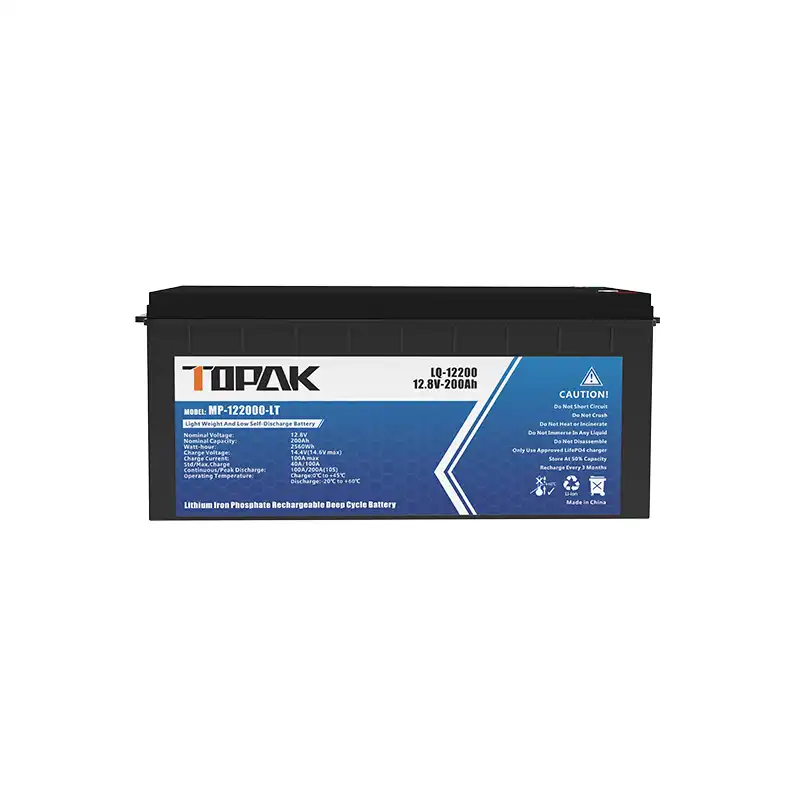
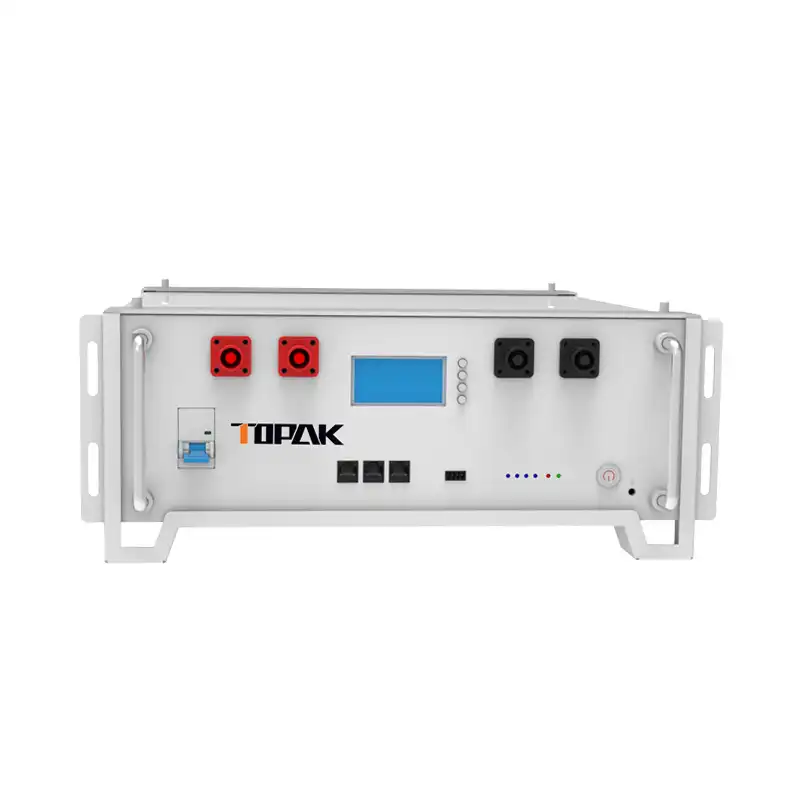
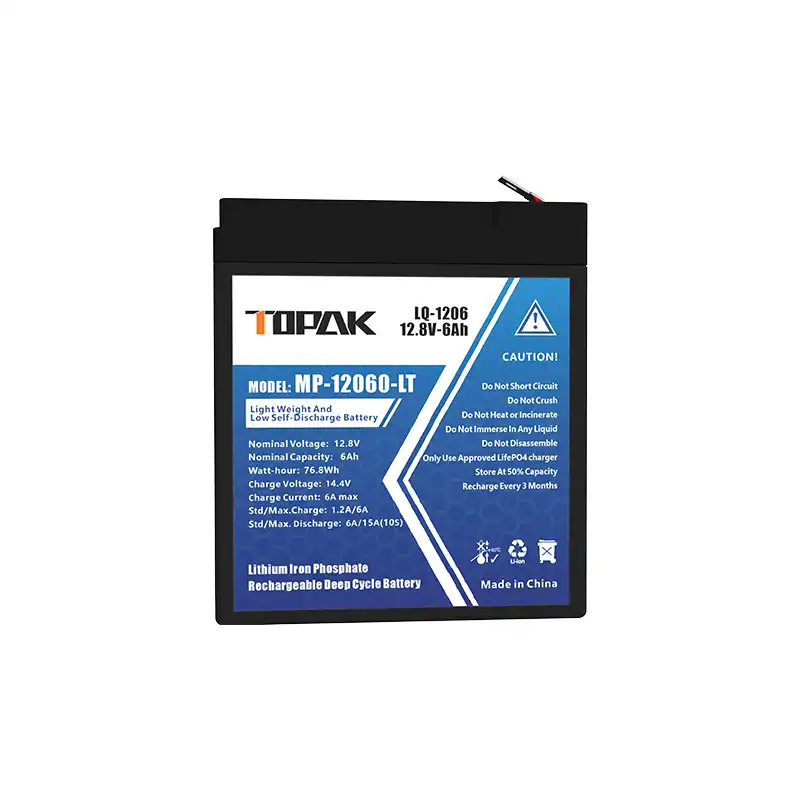
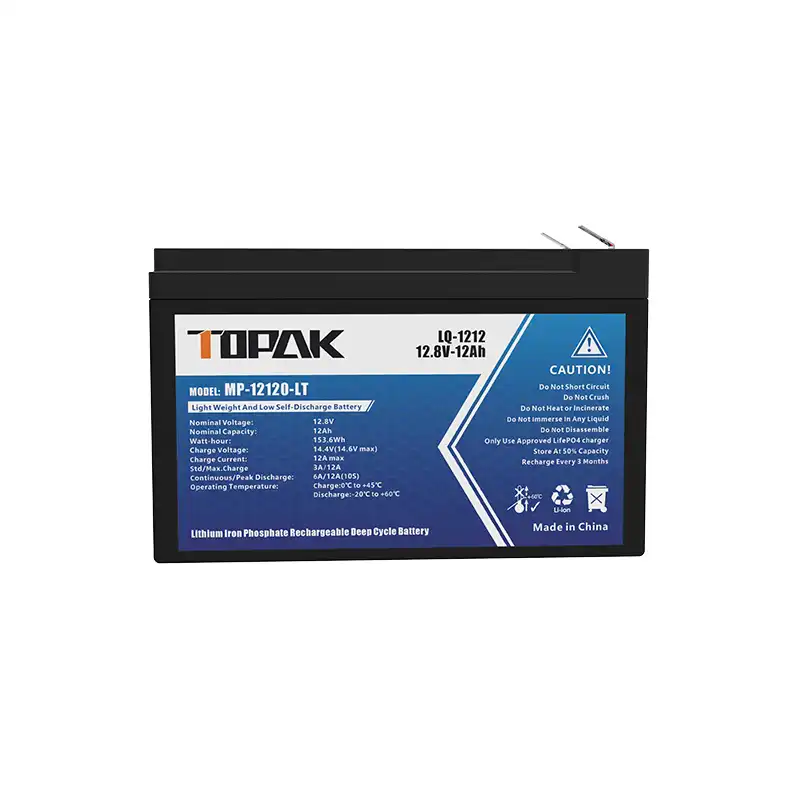
A lithium 12V 150Ahbattery speaks to a modern vitality capacity arrangement built on lithium press phosphate (LiFePO4) chemistry. The ostensible voltage of 12.8V gives compatibility with standard 12V frameworks, whereas the 150Ah capacity conveys considerable vitality capacity for expanded operation periods. Not at all like conventional battery innovations, LiFePO4 chemistry offers upgraded warm steadiness and security characteristics basic for basic applications.The TOPAK 12.8V 150Ah LiFePO4 battery represents this innovation with its 1920Wh vitality capacity and 150A most extreme nonstop release rate. The coordinates battery administration framework gives comprehensive assurance against overvoltage, overcurrent, brief circuits, and temperature extremes, guaranteeing solid operation in requesting sun powered capacity environments.
Core Benefits for Solar Storage
Solar capacity applications request batteries that can handle visit charge-discharge cycles whereas keeping up proficiency. The center focal points of 150Ah lithium batteries address these prerequisites effectively:
- High vitality thickness: Compact 328×172×215mm measurements pack considerable capacity capacity, maximizing space utilization in sun based capacity walls
- Voltage solidness: Keeps up reliable 12.8V yield all through release cycles, guaranteeing steady control conveyance to associated systems
- Extended cycle life: 6000+ cycles at 80% profundity of release altogether outlives conventional battery technologies
- Fast charging capabilities: Fast charge acknowledgment optimizes sun powered vitality capture amid crest era periods
These characteristics interpret to decreased support necessities and progressed return on speculation for sun powered capacity establishments over commercial and mechanical sectors.
Lifespan and Maintenance Considerations
The operational life expectancy of lithium 12V 150Ah batteries in sun based applications regularly surpasses 10 a long time with appropriate administration. The 6000-cycle rating at 80% profundity of release illustrates exceptional strength compared to lead-acid choices that regularly accomplish 300-500 cycles. This life span stems from the characteristic steadiness of LiFePO4 chemistry and progressed battery administration frameworks that anticipate harming working conditions.Maintenance prerequisites stay negligible due to the fixed development and coordinates observing frameworks. The built-in BMS persistently screens cell voltages, temperatures, and current stream, naturally altering parameters to optimize battery wellbeing and avoid degradation.
Comparing Lithium 12V 150Ah Batteries to Alternative Solutions
This segment assesses lithium 12V 150Ahbatteries against lead-acid and AGM battery innovations, highlighting the prevalent vitality thickness, lighter weight, quicker charge/discharge rates, and longer life expectancy of lithium choices. Too secured are capacity varieties such as 100Ah and 200Ah models, making a difference obtainment directors decide the best fit depending on framework estimate, stack necessities, and versatility objectives. Furthermore, integration benefits for both off-grid and grid-tied sun powered establishments illustrate lithium batteries' flexibility and proficiency predominance relative to conventional battery types.
Lithium 12V 150Ah vs Lead Acid and AGM Batteries
The execution crevice between lithium and conventional battery innovations gets to be clear when looking at key details. Weight speaks to a noteworthy advantage, with the 16kg lithium battery weighing 60% less than proportionate lead-acid units. This diminishment disentangles establishment and diminishes basic necessities for mounting systems.Energy thickness contrasts demonstrate similarly compelling. Whereas lead-acid batteries ordinarily convey 30-40Wh/kg, lithium press phosphate innovation accomplishes 120Wh/kg, empowering more compact establishments without relinquishing capacity capacity. Productivity evaluations moreover favor lithium innovation, with round-trip proficiency surpassing 95% compared to 80-85% for lead-acid alternatives.
Capacity Comparisons: 150Ah vs 100Ah and 200Ah Variants
Capacity determination impacts both beginning costs and framework execution characteristics. The 150Ah setup strikes a adjust between capacity capacity and cost-effectiveness for medium-scale applications. Compared to 100Ah units, the extra 50Ah gives amplified runtime and diminished cycling recurrence, contributing to longer battery life.While 200Ah batteries offer more noteworthy capacity capacity, the 150Ah choice regularly demonstrates more reasonable for secluded establishments where different batteries can be associated in parallel to accomplish wanted capacity levels whereas keeping up adaptability for future expansion.
Compatibility with Solar Systems
Modern sun based charge controllers promptly oblige lithium battery profiles, guaranteeing ideal charging calculations that maximize battery life and execution. The wide working temperature run of LiFePO4 batteries suits differing climatic conditions, keeping up proficiency in temperatures from -20°C to 60°C.Grid-tied applications advantage from the fast charge acknowledgment of lithium batteries, empowering fast vitality capacity amid crest sun based generation periods. Off-grid establishments appreciate the profound release capability and voltage solidness that keep up steady control quality indeed amid amplified cloudy periods.
Optimizing Solar Storage with Lithium 12V 150Ah Batteries
Optimizing sun based capacity with lithium 12V 150Ah batteries includes leveraging their voltage soundness beneath shifting stack conditions and quick energize capabilities, which are basic for dependable sun oriented vitality administration. The direct examines perfect utilize cases from private to mechanical scale and highlights plan contemplations like charger compatibility and battery administration frameworks that ensure battery wellbeing and effectiveness. Framework engineers advantage from understanding commonplace charging profiles and how these influence by and large sun based divider execution, empowering way better structural and specialized choices that support long-term operation and vitality efficiency.
Voltage Stability and Performance Under Load
Voltage soundness speaks to a basic execution characteristic for sun oriented capacity applications. Not at all like lead-acid batteries that show critical voltage hang beneath stack, lithium press phosphate innovation keeps up reliable yield voltage all through the release bend. This solidness guarantees associated gear works inside ideal voltage ranges, avoiding harm and keeping up efficiency.The level release bend of LiFePO4 batteries implies usable capacity remains open until near-complete release, differentiating with lead-acid batteries where voltage drops restrain viable capacity utilization. This characteristic successfully increments accessible capacity capacity without requiring bigger battery banks.
Best Use Cases for Solar Storage Walls
Residential vitality capacity applications advantage from the compact impression and maintenance-free operation of 150Ah lithium batteries. Property holders can introduce numerous units to make versatile capacity dividers that suit changing vitality needs without major framework modifications.Commercial and mechanical applications use the tall release rates and cycle life for requesting applications counting crest shaving, stack moving, and reinforcement control frameworks. The 150A persistent release capability bolsters high-power loads whereas keeping up battery life span through progressed warm management.
Charging Times and System Design Considerations
Rapid charging capability empowers proficient sun oriented vitality capture amid ideal era periods. The tall charge acknowledgment rate permits batteries to assimilate greatest accessible sun oriented control, diminishing vitality squander and moving forward framework financial matters. Commonplace charging times from 20% to 80% capacity run from 2-3 hours beneath ideal conditions.System plan must account for legitimate charge controller determination and BMS integration to guarantee ideal execution. The built-in assurance frameworks communicate with congruous charge controllers to anticipate cheating and optimize charging profiles for most extreme battery life.
Procurement Guide for Lithium 12V 150Ah Batteries
This procurement guide outlines key factors B2B buyers must evaluate, including warranty coverage, industry certifications, supplier reputation, and cost-quality balance. Bulk purchasing and fast shipping options are also assessed as critical for business efficiency. Leading brands and trusted suppliers of lithium batteries are introduced based on 2024 market insights to assist procurement managers in making informed vendor decisions. Emphasis on total cost of ownership, durability, and after-sales support ensures buyers find high-value solutions aligned with their solar storage project requirements.
Key Considerations When Buying Lithium Batteries for Solar Walls
Procurement managers must evaluate multiple factors beyond initial purchase price when selecting lithium battery suppliers. Warranty coverage should encompass both capacity retention and overall functionality, with reputable manufacturers offering 5-10 year warranties on their products. Industry certifications, including UN38.3, CE, and MSDS documentation, ensure compliance with safety standards and facilitate shipping and installation approvals.Supplier reputation becomes crucial for long-term partnerships, particularly for large-scale deployments requiring consistent quality and technical support. Bulk purchase options and flexible shipping arrangements can significantly impact project timelines and costs, making supplier logistics capabilities an important evaluation criterion.
Leading Brands and Trusted Suppliers in 2024
The lithium battery market has matured significantly, with established manufacturers demonstrating consistent quality and innovation. TOPAK New Energy Technology, founded in 2007, exemplifies the evolution of the industry with comprehensive manufacturing capabilities and global distribution networks spanning 15+ countries.Reliable suppliers distinguish themselves through in-house BMS development, automated production capabilities, and comprehensive technical support. The ability to customize battery specifications for specific applications while maintaining quality standards separates industry leaders from commodity suppliers.
Cost Factors and Value Analysis
Total cost of ownership calculations must consider the extended lifespan and reduced maintenance requirements of lithium technology. While initial costs exceed traditional batteries, the 6000+ cycle life and minimal maintenance requirements often result in lower long-term costs per kilowatt-hour stored.Market trends indicate continued price reductions for lithium battery technology as manufacturing scales increase and supply chains mature. Early adoption of proven technologies can provide competitive advantages while ensuring system reliability and performance.
TOPAK: Your Trusted Lithium 12V 150Ah Battery Manufacturer
TOPAK New Energy Technology Co., Ltd. stands as a leading manufacturer of industrial-grade lithium battery solutions, established in 2007 with proven expertise spanning over 15 years. Our headquarters in Longhua, Shenzhen, combined with our 25,000-square-foot㎡ manufacturing facility in Dalang TOPAK Industrial Park, enables comprehensive customization and rapid production scaling to meet diverse B2B requirements.Our 12.8V 150Ah LiFePO4 battery represents the pinnacle of energy storage technology, featuring advanced chemistry and integrated safety systems. The compact design measuring 328×172×215mm delivers 1920Wh of energy storage while weighing just 16kg, making it ideal for space-constrained solar storage installations. Our in-house developed BMS provides comprehensive protection against overvoltage, overcurrent, short circuits, and temperature extremes.With global distribution across 15+ countries, TOPAK provides localized support and rapid delivery through established partnerships. Our large-scale automated production lines ensure consistent quality while maintaining competitive pricing for bulk orders. The combination of proven reliability, technical innovation, and comprehensive support makes TOPAK the preferred partner for solar energy storage projects worldwide.
Conclusion
lithium 12V 150Ah batteries prove exceptionally well-suited for solar storage walls, offering superior performance characteristics that significantly outperform traditional battery technologies. The combination of high energy density, extended cycle life, rapid charging capabilities, and voltage stability makes these batteries ideal for both residential and commercial solar applications. TOPAK's comprehensive manufacturing expertise and proven track record since 2007 ensure reliable access to high-quality battery solutions backed by comprehensive technical support and global distribution capabilities. The total cost of ownership advantages, combined with minimal maintenance requirements and scalable installation options, position lithium iron phosphate technology as the optimal choice for modern solar energy storage systems.
FAQ
Q: How long does a lithium 12V 150Ah battery typically last in solar storage applications?
A: TOPAK's lithium 12V 150Ah batteries are designed for 6000+ cycles at 80% depth of discharge, translating to 10-15 years of service life in typical solar storage applications. The actual lifespan depends on operating conditions, charge/discharge patterns, and temperature management, but proper installation and maintenance can extend operational life beyond manufacturer specifications.
Q: Are lithium 12V 150Ah batteries safe to use in residential solar battery walls?
A: Yes, LiFePO4 chemistry used in our batteries provides exceptional safety characteristics, including thermal stability and non-toxic composition. The integrated BMS continuously monitors operating parameters and provides automatic protection against potentially dangerous conditions. Industry certification,s including UN38.3 and CE ensure compliance with safety standards for residential applications.
Q: Can lithium 12V 150Ah batteries be connected in parallel for increased storage capacity?
A: Absolutely. Our batteries are specifically designed for parallel connection to create scalable storage walls. The integrated BMS coordinates with other units to ensure balanced charging and discharging across the entire bank. This modularity enables system expansion as energy requirements grow while maintaining optimal performance across all connected batteries.
Partner with TOPAK for Superior Solar Storage Solutions
Ready to transform your solar energy projects with industry-leading lithium battery technology? TOPAK's proven expertise as a lithium 12v 150ah supplier ensures your energy storage requirements receive the attention they deserve. Our engineering team provides comprehensive technical consultation to optimize battery selection and system integration for maximum performance and reliability. Whether you need standard configurations or fully customized solutions, our 17-year manufacturing experience and automated production capabilities deliver results that exceed expectations. contact us at B2B@topakpower.com to discuss your specific requirements and receive detailed specifications tailored to your solar storage wall applications.
References
1. International Energy Agency. "Energy Storage Systems: Technology Roadmap and Market Analysis for Solar Integration." IEA Publications, 2023.
2. Chen, H., et al. "Lithium Iron Phosphate Battery Performance in Renewable Energy Storage Applications." Journal of Power Sources, Vol. 485, 2024.
3. U.S. Department of Energy. "Battery Storage Technologies for Grid-Scale Applications: Technical and Economic Assessment." DOE Office of Electricity, 2023.
4. Smith, R.K. "Comparative Analysis of Battery Technologies for Solar Energy Storage Systems." Energy Storage Materials Review, Vol. 29, 2024.
5. European Commission Joint Research Centre. "Safety Assessment of Lithium-Ion Battery Systems for Stationary Energy Storage." EU Publications Office, 2023.
6. National Renewable Energy Laboratory. "Cost and Performance Analysis of Lithium-Ion Batteries for Solar Plus Storage Systems." NREL Technical Report, 2024.