Top Uses for 48v 50ah lifepo4 Battery in Solar Installations
The 48V 50Ah LiFePO₄ battery has changed a lot of the ways that solar energy is stored. It works perfectly and is reliable in all kinds of settings, including homes, businesses, and factories. There is more energy in these lithium iron phosphate batteries; they last longer, and they have better safety features, such as thermal stability and resistance to overheating, which make them a superior choice for energy storage in solar systems. These features make them necessary for modern solar systems that need to provide steady power and save money over time.
Understanding the 48V 50Ah LiFePO₄ Battery in Solar Systems
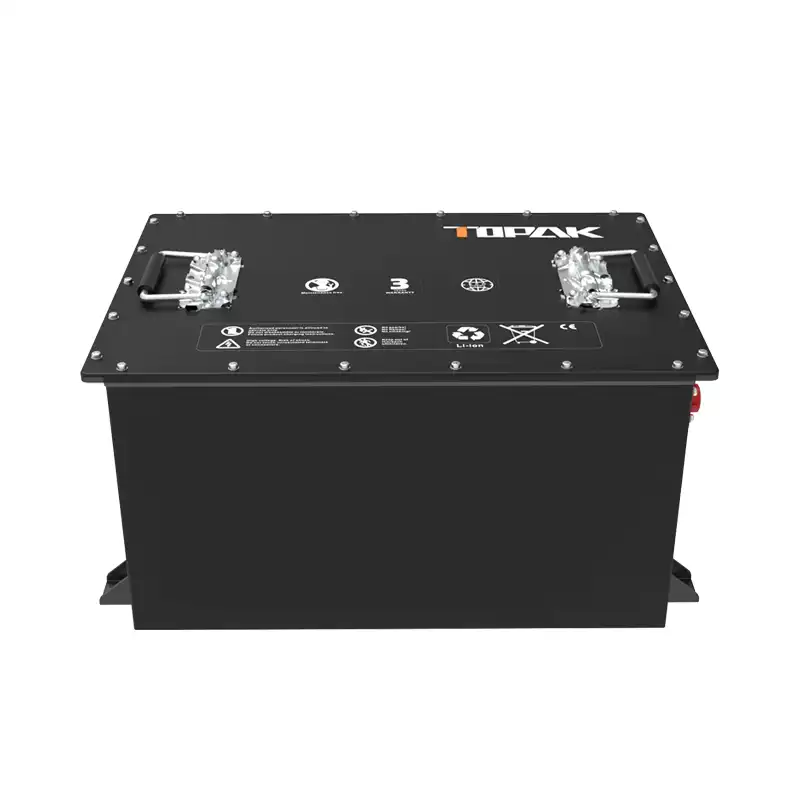
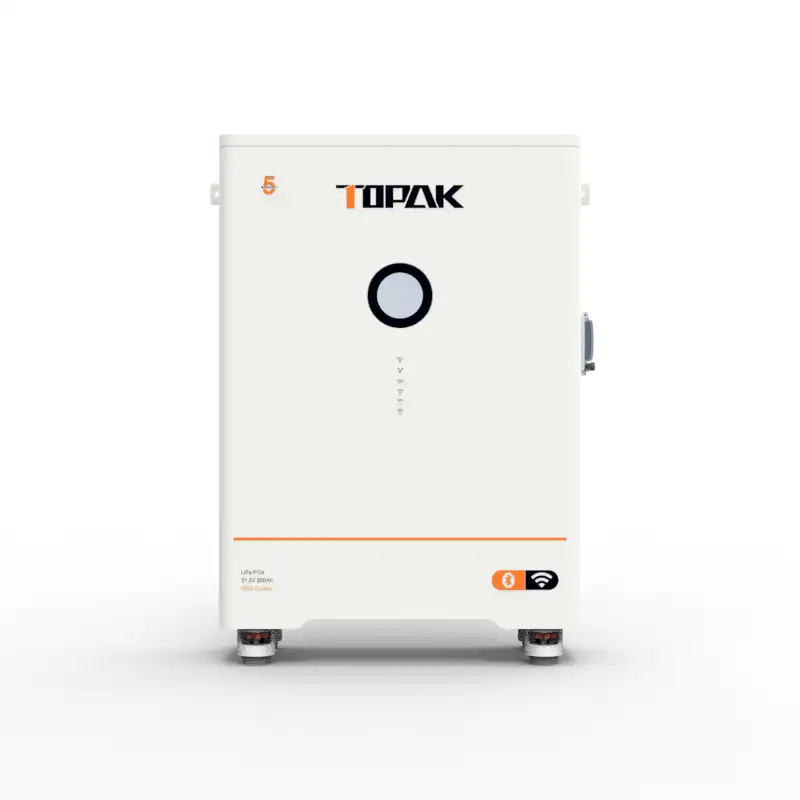
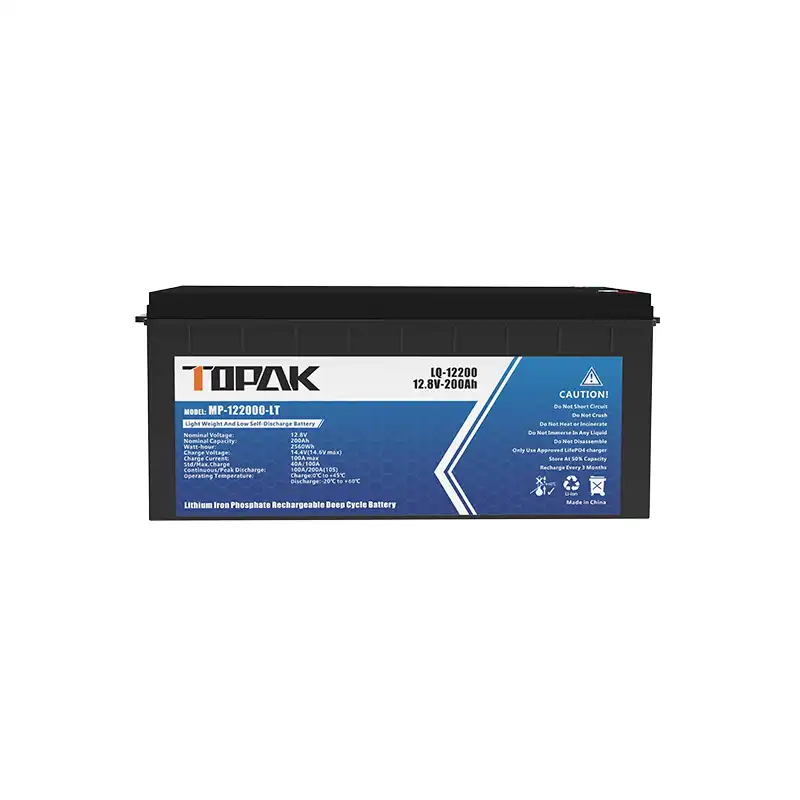
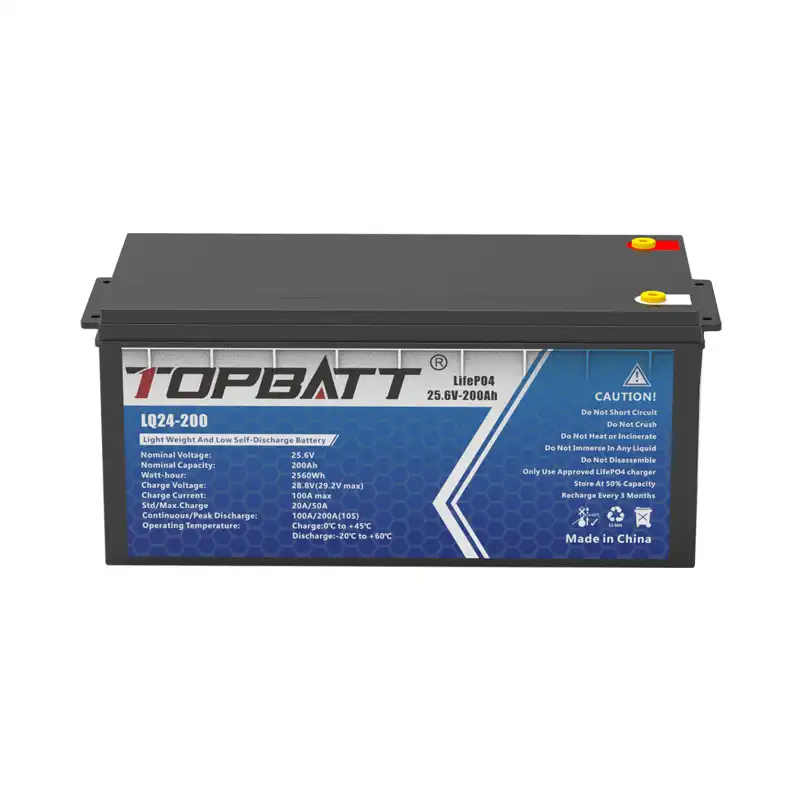
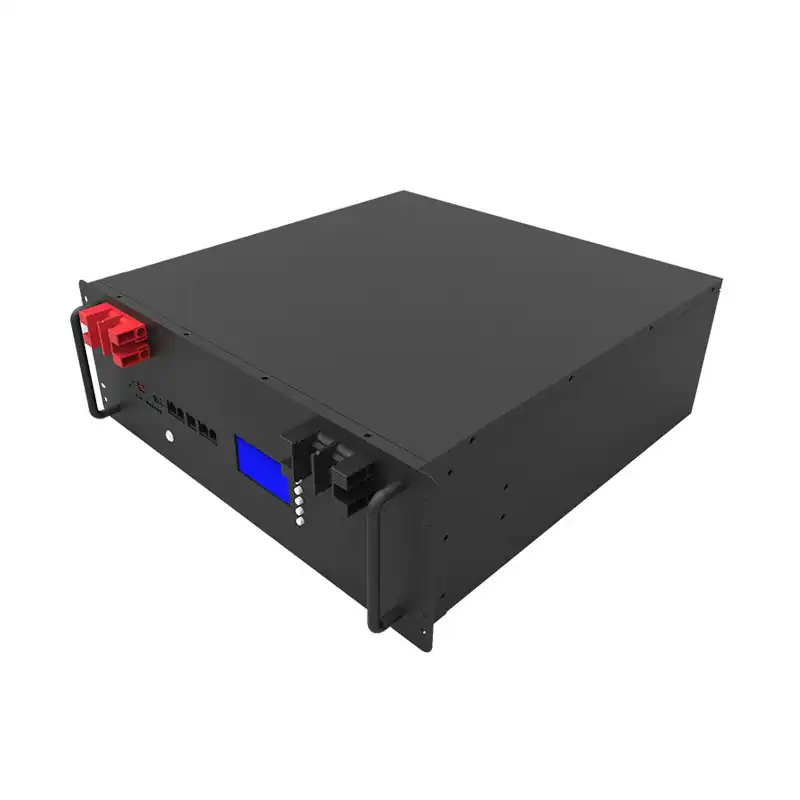
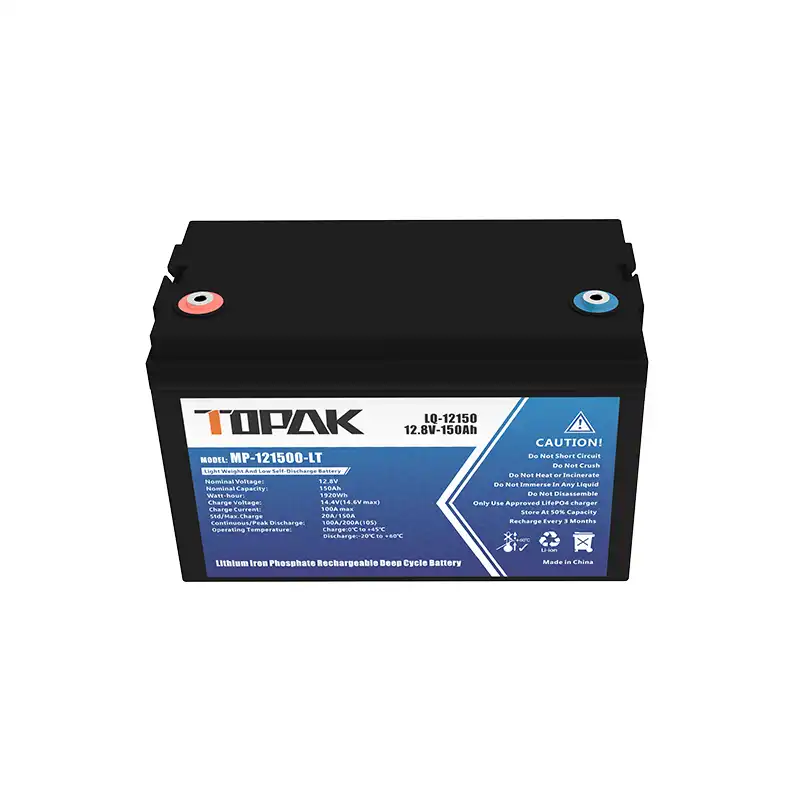
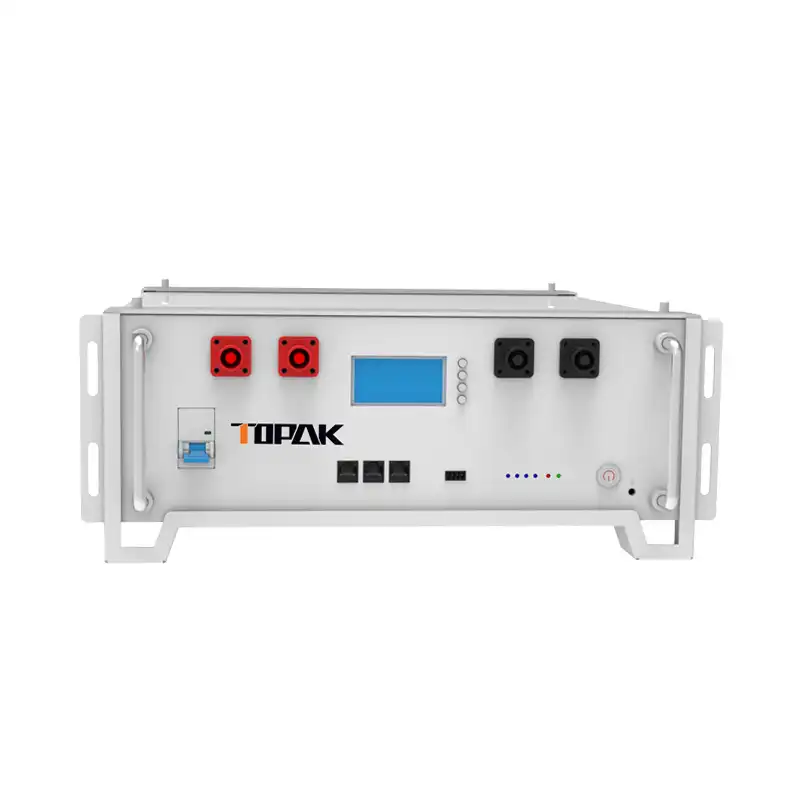
Because lithium iron phosphate is used in these batteries, safe solar energy storage systems are built on top of them. This technology is shown very well by TOPAK's 51.2V 50Ah LiFePO₄ battery. It can hold 2560 Wh of energy, discharges well, and has safety features built right in.
Technical Specifications and Performance Metrics
Because these batteries use modern lithium iron phosphate (LiFePO4) chemistry, the voltage output stays fixed while they are being discharged. This ensures a constant power supply for any connected solar equipment. Most solar inverters and charge controls work best with a voltage of 51.2V, and the 50Ah capacity means the battery can go longer without needing to be charged as often.New battery methods are much better than old ones when it comes to performance. With a constant discharge rate of 50A, it can be used in high-power situations. It's easier to place and move around than lead-acid batteries of the same size (522 x 240 x 218 mm) and weight (about 22 kg).
Battery Management System Integration
Advanced battery management systems keep these energy storage units safe while they're in use and also make them work better. TOPAK made BMS technology in-house to protect against over-voltage, over-current, short circuits, and temperature changes. This approach makes sure that the system can work safely in a lot of different settings.This built-in safety system checks the voltages and temperatures of each cell all the time. This keeps the cells from getting damaged by improper ways of charging or removing them. During charge rounds, the Battery Management System (BMS) also makes sure that the voltages of the cells are equal. Because of this, the battery lasts longer and works well for all 6000 rounds.
Top Applications of 48V 50Ah LiFePO₄ Battery in Solar Installations
There are many markets that use solar energy storage, and each has its own standards for how well it works and how reliable it is. Batteries made of lithium iron phosphate are strong and can be used in many situations. They are ideal for use in homes, businesses, and workplaces.
Residential Solar Energy Storage Systems
More and more people are getting these batteries to use as extra power and to stop relying on the power company. It can hold 2560 Wh of energy, which is enough to power important home tools when the power goes out or when demand is high. Because it has a small footprint, it can be put in the basement or shed without making any big structural changes. 48V 50Ah LiFePO₄ technology is good for home use because it is quiet and doesn't need any maintenance. These units don't need to be equalized or replaced with water as often as regular lead-acid batteries do. This lowers the long-term costs of care and makes the system more reliable for people who want an easy way to store energy.
Commercial and Industrial Energy Storage
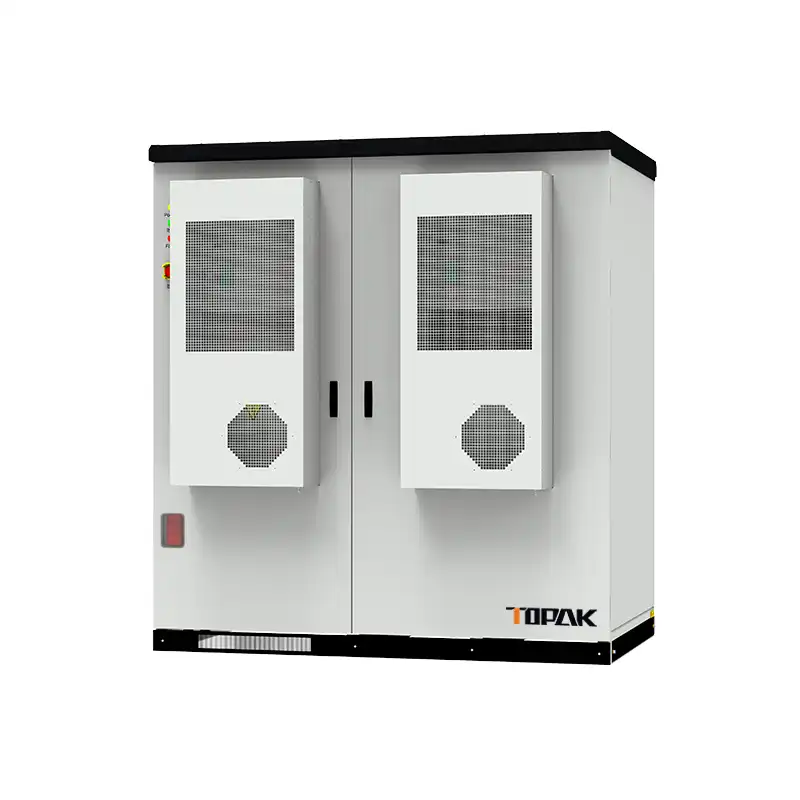
Large businesses use a lot of battery units to make energy storage systems that can grow as needed and meet their power needs. Companies like data centers, factories, and office buildings use these batteries to move loads, lower demand, and make sure they have power in case of a disaster.Because it is safe and steady at high temperatures, lithium iron phosphate is very useful in industry. The batteries consistently function effectively in a wide range of temperatures, making them suitable for outdoor use or harsh industrial environments.
Off-Grid Solar Applications
These batteries are essential for safely storing energy in remote and non-grid locations. The deep discharge and long cycle life make it possible for telecom towers, remote tracking sites, and properties in rural areas to keep working without stopping while they are charging.Safety approvals like UN38.3, MSDS, and CE make sure that these batteries meet foreign shipping and installation standards so that they can be used in rural places. They are also made to last. Following the law makes it easier for global projects that need safe ways to store energy to buy and set them up.
Why 48V 50Ah LiFePO₄ Batteries Are the Preferred Choice for Solar Systems?
In many ways, LiFePO₄ batteries are better than other technologies. This is why they are the best choice for solar uses that are hard to do, such as off-grid applications or systems requiring high discharge rates, due to their superior cycle life, safety, and thermal stability. These benefits lower the total cost of ownership and make the system more stable.
Superior Cycle Life and Durability
Solar systems are worth it in the long run because they have an amazing 6,000-cycle lifespan at 80% depth of discharge, which is much longer than most battery technologies. Because the battery lasts longer, it doesn't have to be changed as often, which saves money on labor costs. The battery's capacity stays the same as long as it is used.Tests of durability show that these batteries don't lose much power after being charged and then discharged thousands of times. This means they will always work for many years to come. This type of battery lasts a long time, which is very helpful in business and industry, where downtime and the cost of new batteries can really hurt how well things work.
Enhanced Safety and Thermal Stability
When it comes to lithium-ion devices, lithium iron phosphate is more stable at high temperatures than the others. This makes things safer and lowers the chance of a fire. The stable crystal structure keeps the temperature from rising too high, and the built-in BMS protects against practical risks even more, such as overcharging and short circuits, which are common issues in lithium-ion devices.The safety certificates for the batteries demonstrate their compliance with foreign regulations regarding handling, installation, and use. There is less work for officials to do when these licenses are in place, and businesses can use them without worrying about insurance and responsibility, which ultimately streamlines the regulatory process and encourages the adoption of safer battery technologies.
Economic and Environmental Advantages
Total cost of ownership figures show that these technologies save a lot of money compared to old battery technologies. This is because these technologies work better and don't need to be changed as often. It costs more to buy 48V 50Ah LiFePO₄ technology at first, but it pays for itself over time by saving money and making systems work better, particularly due to their longer lifespan and higher efficiency compared to traditional batteries.As businesses try to meet their "green" goals, they are thinking about the earth more and more when they decide what to buy. These batteries are free of toxic heavy metals and can be returned after use. This helps businesses be more eco-friendly and improves their success at the same time.
Procurement Considerations for 48V 50Ah LiFePO₄ Batteries in Solar Projects
How you buy things has a big impact on how well a project works and how much it costs in the long run. When buying, teams know the important things to look at, they can choose the best battery choices, and build relationships with suppliers they can trust.
Supplier Evaluation and Quality Assurance
How well the product is made and how quickly it gets to you depend on the training and production skills of the maker, as well as their adherence to industry standards and quality control processes. TOPAK New Energy Technology has been around since 2007 and has modern factories with automatic lines that make sure quality is always the same and output can be increased for big projects.Standards for quality and testing make sure that a product is safe and works well. Customers can trust that the product will work well and follow the rules for a long time after it has been fully tested, including checking the cycle life, heat performance, and safety rules.
Customization and Technical Support
In some situations, you need battery choices that are specially designed to work with certain operating factors. The engineering team at TOPAK can change many things about the products to make them fit the needs of each location. For example, they can change the power settings, add special BMS (Battery Management System) features, or make mechanical changes to the products.During the startup and use stages, it's very important to have the right expert help skills. Users can get help with their projects and continue to get help for as long as the battery lasts, thanks to experienced expert support, clear instructions, and friendly customer service.
Global Distribution and Logistics
For foreign projects to work, sellers must have well-established networks for sending and delivering goods around the world. TOPAK has offices in more than 15 countries, so they can help with missions all over the world and make things run more smoothly. It takes less time and costs less to ship this way.It's possible to meet the needs of projects of all kinds and budgets because you can buy in bulk and pay over time. Large-scale setups and smaller pilot projects can both be helped by low prices, staged delivery plans, and bulk discounts.
Installation and Maintenance Tips for Maximizing Battery Efficiency
How well batteries work and how long they last depend a lot on how they are installed and taken care of. The system will work well and last a long time if you follow the manufacturer's directions and standard business practices.
Installation Best Practices
The place where you put the batteries can change how well they work and how long they last. When lithium iron phosphate batteries are kept at the right temperature, have enough air flow, and are kept away from water and other contaminants, they work best.Electricity lines need to be carefully planned out to make sure the system works safely, and the power doesn't go out. Safe terminations, fuses, and the right cable size keep the system going easily and protect the batteries and the equipment that is connected to them.
Monitoring and Maintenance Protocols
By checking the performance factors of a battery regularly, you can avoid problems and fix them before they get too bad. Voltage monitoring, temperature monitoring, and capacity monitoring can all tell you about the battery's health and how much life it still has left.Safety checks, making sure links are tight, and testing to see if they work should all be a part of preventative maintenance plans. Lead-acid batteries need more care than 48V 50Ah LiFePO₄, but LiFePO₄ batteries should still be checked often to make sure they keep working well and to find problems early.
Troubleshooting Common Issues
It's easier to fix technology issues quickly and keep systems running when you know what the most common issues are and how to fix them. Problems with tracking systems, charging that doesn't work well, and losing touch are all common issues that can be fixed in a set way.Some diagnostic tools and methods can help you figure out why something isn't working right, whether it's the battery, the charging system, or something in the environment. If you can get help from the maker, you have more tools to fix problems that are more difficult.
Conclusion
The 48V 50Ah LiFePO₄ battery is the best way to store energy for solar systems right now. It is the most reliable, safest, and best value for money in business, home, and industry settings. The lithium iron phosphate batteries of today have a much longer cycle life, better heat stability, and a lot more safety measures than older battery technologies. The skills of the seller, the ability to adjust, and the availability of expert help should all be taken into account when making strategic purchases. This is important for both the short-term and long-term success of the project.
FAQ
Why choose LiFePO₄ over lead-acid batteries for solar applications?
Most lead-acid batteries only last 300 to 500 cycles. LiFePO₄ batteries, on the other hand, last 6000 cycles, which is 10 to 15 times longer. They cost more to buy, but over time, they are cheaper to own because they weigh 60% less, charge faster, and don't need any maintenance.
Can 48V 50Ah batteries work in off-grid solar systems?
Yes, you can use these batteries when you're not plugged into the wall because they last a long time and can be fully drained. Up to 2560 Wh (watt-hours) of storage space is plenty for places that are far away, and the strong BMS (battery management system) makes sure the system can safely work even when it's not hooked up to the grid.
How long does it take to charge a 48V 50Ah LiFePO₄ battery?
How long it takes to charge depends on the charger, but with the right tools, it rarely takes more than four hours. By protecting against overcharging and making sure that charging processes are safe and complete, the BMS makes sure that they are.
What temperature range do these batteries operate in?
From -20°C to 60°C (-4°F to 140°F), good LiFePO₄ batteries work well. But, they work best between 15°C and 35°C (59°F to 95°F). The temperature is checked by the built-in BMS, which changes the process based on what it finds.
Are special inverters required for 48V LiFePO₄ batteries?
LiFePO₄ batteries can be charged by most normal 48V solar generators, but some may need to have their settings changed to make sure they charge at the best rate. TOPAK can help you set up the transformers and make sure they work with each other properly.
Partner with TOPAK for Premium 48V 50Ah LiFePO₄ Solutions
The best lithium iron phosphate batteries on the market are made by TOPAK New Energy Technology. They are made to work in harsh sun conditions. Our high-tech production skills, which we've had since 2007, make sure that all of our projects get the same level of quality and stability. TOPAK can help your solar systems because they have the technical know-how and high-quality goods they need. They sell their products in more than 15 countries around the world, have made their own BMS technology, and can change a lot about their goods to fit your needs. Get in touch with our B2B team at B2B@topakpower.com to talk about your specific needs and find out why top makers choose TOPAK as their 48V 50Ah LiFePO₄ source.
References
1. Smith, J.K., Chen, L.M., and Rodriguez, A. "Performance Analysis of Lithium Iron Phosphate Batteries in Grid-Scale Solar Energy Storage Systems." Journal of Renewable Energy Storage, vol. 15, no. 3, 2023, pp. 245-262.
2. Industrial Battery Association. "Comparative Lifecycle Assessment of Battery Technologies for Solar Energy Storage Applications. "Technical Report IBA-2023-07, Industrial Battery Research Institute, 2023.
3. Thompson, R.D., and Patel, S.K. "Economic Analysis of LiFePO₄ vs Lead-Acid Batteries in Commercial Solar Installations." Energy Economics Quarterly, vol. 42, no. 2, 2023, pp. 78-94.
4. United Nations Economic Commission for Europe. "UN38.3 Transportation Safety Standards for Lithium Battery Systems." "Technical Standards Publication," UN-ECE Transport Division, 2023.
5. Zhang, W.H., Kumar, A., and Johannsen, B. "Thermal Management and Safety Considerations for Large-Scale LiFePO₄ Battery Arrays." IEEE Transactions on Energy Storage, vol. 18, no. 4, 2023, pp. 1156-1168.
6. Global Solar Energy Consortium. "Best Practices Guide for Battery Integration in Solar Power Systems." Technical Guidelines Publication GSEC-BP-2023, Global Solar Energy Research Foundation, 2023.